leave a message
If you are interested in our products and want to know more details,please leave a message here,we will reply you as soon as we can.
You can safely use unopened soy sauce past its printed expiration date because it rarely spoils. High sodium levels and natural fermentation actively block microbial growth. Sealed bottles remain shelf stable for two to three years or indefinitely. However, you will experience the best taste and aroma within the first year.
Unopened soy sauce stays safe to eat long past the printed expiration date due to high salt content.
Store unopened bottles in a cool, dark pantry to protect the flavor and aroma for up to three years.
Inspect the bottle seal and throw away any liquid with strange odors, floating mold, or cloudy particles.
You often see printed dates on your pantry condiment bottles. Manufacturers stamp these dates to tell you when the liquid delivers its freshest flavor and aroma. Unopened bottles remain completely safe to consume well past these dates because the liquid does not spoil like fresh produce.
Best-by dates are quality indicators, not safety deadlines. According to the USDA FoodKeeper app and USDA FSIS, best-by dates on shelf-stable products reflect peak quality, not a safety deadline.
Over time, unopened soy sauce might experience mild flavor degradation. Oxidation slowly alters the liquid, making the taste slightly flat or overly salty. However, you do not need to worry about harmful foodborne pathogens in a sealed container.
High salt concentrations create a powerful natural barrier against bacterial growth. Salt draws moisture out of living cells, preventing dangerous microbes from multiplying inside your bottle. This high sodium environment ensures your unopened condiment remains shelf-stable for years.
Fermentation provides an additional layer of protection against spoilage. Beneficial organisms produce natural compounds that block unwanted mold and bacteria from growing.
The yeast Zygosaccharomyces rouxii produces ethanol during fermentation, and ethanol concentration increases with aging. Additionally, commercial soy sauce production often involves intentionally adding edible ethanol as a preservative to maintain product stability and prolong shelf life.
Together, high sodium content and ethanol production preserve the liquid naturally. You can trust sealed bottles to remain microbiologically safe in your kitchen cabinet.
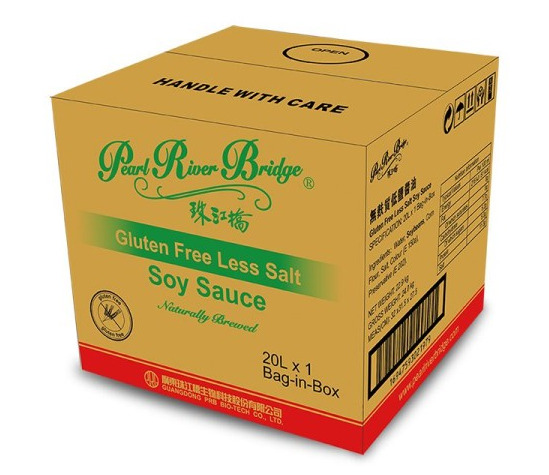
You can store an unopened container in a cool, dark pantry for an extended period. Proper storage conditions shield the liquid from heat and direct sunlight, preserving optimal condition for 18 months to three years. Trusted traditional brands like Pearl River Bridge craft high-quality fermented products that maintain excellent shelf stability throughout this duration.
When unopened and stored in a cool, dark place, the classics like soy sauce and hot sauce are good for the long haul–approximately two years.
You maintain peak product integrity by keeping containers away from warmth. Heat from ovens or dishwashers warms your kitchen cabinets and accelerates natural degradation. Placing your sealed supply in a dark cupboard ensures maximum stability over several years.
Your sealed condiment remains safe to consume indefinitely without spoiling. However, subtle chemical reactions occur inside the container over time. Oxygen trapped during packaging slowly alters the liquid. You will experience the most vibrant flavor profile within the first year of production.
The liquid undergoes noticeable visual and sensory transformations during long storage. The taste gradually becomes stronger and saltier. According to eatbydate.com, an unopened bottle stored in a pantry has an indefinite shelf life without spoiling, but the liquid becomes darker and stronger in flavor and aroma over time.
These shifts in color and taste do not indicate dangerous contamination. You can safely cook with older bottles past printed dates. Your dishes still benefit from rich umami notes, even when the primary flavor profile intensifies.
You must inspect the exterior packaging carefully before you open any stored condiment bottle. Visible cracks in glass containers or severe dents in plastic bottles compromise the protective airtight barrier. A broken bottle cap or loose outer safety seal allows ambient air into the container, which accelerates liquid oxidation and invites unwanted micro-organisms inside your kitchen supply.
You should also check for any liquid leakage around the bottle neck and cap area. Dried, sticky residue beneath a sealed plastic wrap points to hairline fractures or manufacturing defects in the cap seal. You must discard any bottle showing structural damage because compromised packaging ruins the natural shelf stability of your stored pantry supply.
You must analyze the visual condition of the liquid right after breaking the factory seal. Spoiled product exhibits specific signs of physical degradation:
Cloudiness or floating particles in clear soy sauce indicate contamination, whereas natural sediment remains normal in unfiltered sauces.
Discoloration, cloudiness, or solidified particles signal spoilage and show that you should discard the container immediately.
Visible mold or a light yeast film occasionally appears on the surface when a broken seal allows external air into the container.
You must trust your sense of smell before adding the condiment to your favorite recipes. High-quality product always delivers a pleasant, savory aroma with deep, rich fermented notes. Harsh sour smells, rancid odors, or sharp chemical fumes mean spoilage micro-organisms altered the internal liquid, so you should throw away the damaged container immediately to protect your home cooking.
You protect the natural sensory quality of unopened Soy Sauce by selecting an appropriate pantry storage location. You should store sealed containers in a cool, dark environment like a dedicated kitchen cabinet or pantry closet. Direct sunlight warms glass bottles rapidly, which accelerates internal oxidation and degrades overall flavor complexity.
Proper storage techniques protect product quality across all standard fermented varieties:
Store your bottle in a cool location away from heat sources.
Store the container in a dark location away from direct sunlight.
Keep the bottle in a dry environment.
Maintaining these specific storage conditions ensures your unopened Regular Soy Sauce and Light Soy Sauce retain optimal taste profiles throughout extended pantry storage. Dark ambient spaces shield liquid contents from direct light exposure, preventing light rays from breaking down subtle aromatic compounds inside sealed glass containers.
You must position sealed containers far away from high-heat kitchen appliances. Storing your pantry supply near stoves, ovens, or dishwashers exposes liquid contents to frequent thermal cycles. Elevated ambient temperatures degrade the delicate balance of Concentrated Soy Sauce and speed up quality decline over time.
Excessive moisture inside kitchen storage areas also creates subtle risks for packaged condiments. High humidity creates structural issues for outer protective materials over time.
Humidity can also weaken packaging films.
You preserve specialized formulations like Low Sodium Soy Sauce by choosing consistently dry storage spaces. Avoiding damp cabinet areas prevents packaging material degradation, protects bottle closure mechanisms, and maintains factory package stability until you open the bottle for cooking.
Your unopened bottle remains completely safe past its expiration date when you maintain an intact seal, no mold, and no off-odors. Proper storage in a cool, dark pantry maximizes both flavor longevity and food safety. You can confidently keep that older bottle of Soy Sauce in your cabinet and enhance your cooking without hesitation.
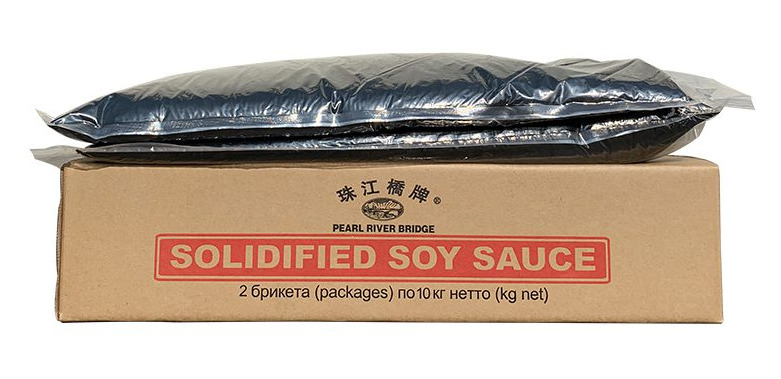
You can safely store unopened Regular Soy Sauce in your pantry for two to three years past the expiration date without micro-organism spoilage.
Unopened Low Sodium Soy Sauce maintains safety past expiration dates. However, lower sodium levels mean you should monitor its delicate flavor quality earlier than Concentrated Soy Sauce.
Yes, you can safely use darkened Light Soy Sauce or standard Soy Sauce. Oxidation naturally darkens the liquid over time without creating harmful foodborne pathogens.
 Subscribe To Our Newslettter To Stay Tuned



 IPv6 network supported
Hi! Click one of our members below to chat on

 Recipe Books
 PRB Soy Sauce Museum
 English
 English
 français
 русский
 español
 العربية