leave a message
If you are interested in our products and want to know more details,please leave a message here,we will reply you as soon as we can.
Consistency in soy sauce is non-negotiable for your commercial kitchen. It directly impacts dish flavor, color, and customer satisfaction. The challenge: bulk sourcing that maintains uniformity across batches while balancing cost, storage, and supplier dependability. You must evaluate the quality and taste of each batch. Your choice of light soy sauce and dark soy sauce affects the final quality and taste. The solution lies in understanding these types, vetting suppliers rigorously, and implementing systematic handling practices. This guide provides actionable steps to lock in consistency for light soy sauce, dark soy sauce, and organic soy sauce in your kitchen.
Know the roles of light, dark, and organic soy sauces to use them correctly.
Test every soy sauce batch with samples to keep flavor and color the same.
Pick suppliers who share test results and use natural ingredients.
Match each soy sauce type to the right dishes for consistent results.
Store soy sauce properly and rotate stock to keep it fresh and tasty.
Understanding each soy sauce type forms the foundation of your consistency strategy. You must recognize their distinct roles before you can standardize their use across your menu.
Chinese light soy sauce delivers salinity and umami without heavy coloring. You use it as your primary seasoning agent in marinades, stir-fries, and dipping sauces. This variety ferments longer than regular soy sauce, producing a thinner consistency and a brighter, saltier profile. Japanese light soy sauce offers a milder, slightly sweeter character, yet both versions share one purpose: they enhance flavor and aroma without dominating the dish's visual identity. You should treat chinese light soy sauce as your baseline seasoning, while regular soy sauce often serves as a cost-effective alternative for high-volume applications. The flavor and aroma of light soy sauce remain consistent when you source from a single supplier and store it properly.
Dark soy sauce brings caramel notes and a deeper hue to your preparations. You add it to braised dishes, nood sauces, and glazes where visual richness matters. This variety contains molasses or caramel coloring, which thickens its body and extends its shelf life. The depth it provides transforms an ordinary stir-fry into a glossy, appetizing entrée. You might also encounter sweet soy sauce, an Indonesian variant with palm sugar, which adds both color and sweetness. Dark soy sauce contributes rich flavors that complement the saltiness of light varieties. You must balance its intensity carefully, as excessive use can overpower your dish's natural ingredients.
Organic soy sauce appeals to health-conscious diners who demand transparency. You select this option for its certified ingredients and absence of synthetic additives. Traditional soy sauce production relies on fermentation, but organic versions guarantee non-GMO soybeans and organic wheat. Many chefs prefer gluten-free soy sauce for allergen-sensitive menus, though you must verify each brand's certification. Chinese soy sauce in organic form maintains the same savory profile while offering a cleaner label. You position organic varieties as premium menu items, justifying higher prices through quality and provenance. The flavor and aroma of organic soy sauce often exhibit more complexity due to longer fermentation periods.
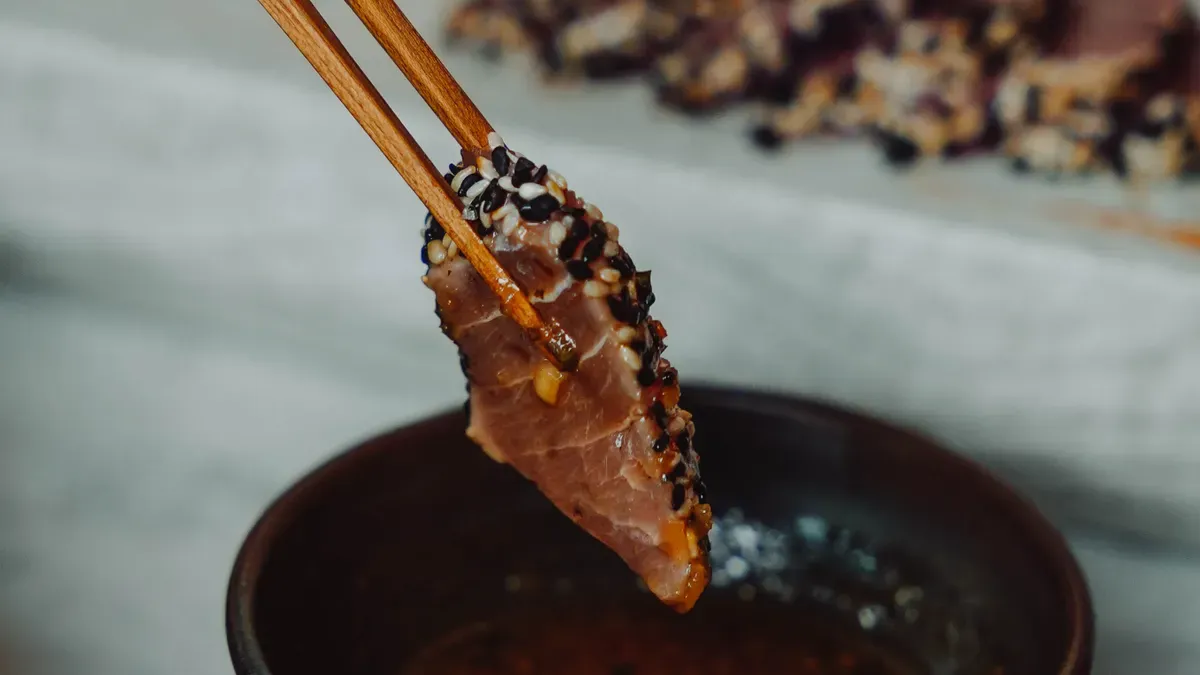
Sourcing bulk soy sauce requires a strategic approach. You must choose the right channel, verify the product, and test every shipment. Your choices directly affect the consistency of your dishes.
You have three primary sourcing channels for bulk soy sauce. Distributors offer convenience and warehousing. They consolidate products from multiple brands. You pay a markup for their inventory management and logistics. They handle storage and delivery. This option works well for high-volume needs like light soy sauce for stir-fries and marinades. Manufacturers provide direct access to the production source. You receive the freshest product and often better pricing. You also gain insight into their fermentation methods and quality control. Manufacturers can customize formulations for your specific needs, such as adjusting the color intensity of dark soy sauce. Importers specialize in bringing international varieties into your market. They handle customs, certifications, and documentation. They ensure you receive authentic products from specific regions. Each channel serves a different purpose. You might use distributors for routine orders and manufacturers for premium or custom products.
Digital marketplaces expand your sourcing options significantly. Platforms like Alibaba or specialized food ingredient sites connect you to global suppliers. You can compare prices, read reviews, and request samples without leaving your kitchen. Direct sourcing from a manufacturer's website gives you control over the supply chain. You establish a direct relationship with the producer. You receive batch-specific documentation and production details. However, online sourcing requires caution. You must verify certifications, request third-party lab reports, and confirm shipping conditions. A supplier in China might offer competitive pricing on organic soy sauce. You need assurance that each shipment meets your flavor and color standards. You should always request samples before committing to a large order. This approach minimizes risk while expanding your sourcing network.
Sample testing is your most powerful tool for ensuring batch uniformity. You cannot rely on supplier specifications alone. You must verify every shipment against your established benchmarks. The following protocols represent the industry standard for evaluating soy sauce consistency:
You begin with electronic nose analysis. Place 4 mL of soy sauce in a sealed glass bottle for 2 hours to enrich flavor compounds. Clean and calibrate the sensor with air flow at 1 L/min for 50 minutes. Measure each sample for 60 seconds with a sensor wash time of 120 seconds and air flow rate of 1 L/min. Clean the sensor for 30 minutes after the experiment. This process confirms that the aroma profile matches your reference batch.
You proceed with electronic tongue analysis. Dilute soy sauce 30 times. Use a taste reference solution containing 2.2365 g KCl and 0.045 g tartaric acid in 1000 mL distilled water. Start measurements when the biofilm sensor is stable. Clean the sensor after each single measurement. This method quantifies the taste profile and identifies any deviation from your expected flavor.
You conduct sensory evaluation within 5 hours of production. Use 20 trained panelists. Panelists must avoid stimulating food, alcohol, and tobacco for 8 hours prior. Panelists rinse their mouth before each sample. Score attributes including color, appearance, soy sauce flavor, vegetable flavor, seafood flavor, and likeability on a scale of 1 (very disliked) to 9 (very liked). This human assessment captures nuances that instruments cannot measure.
You perform HPLC analysis using an Agilent 1100 system with VWD detector at 338 nm. Proline detection occurs at 262 nm. Use gradient elution: 0.0 min 8% B; 17.0 min 50% B; 20.1 min 100% B; 24.0 min 0% B. Column temperature is 40°C. Flow rate is 1.0 mL/min. Quantify amino acid content using the external standard method. This chemical analysis ensures the amino acid profile remains consistent across batches. This directly impacts the savory depth of your dishes.
You measure physicochemical properties. Determine color using a colorimeter for CIE L*, a*, b* values. Measure pH with a pH meter. Determine total soluble solids with a hand-held refractometer. Measure total acid by alkaline titration to pH 8.2 with 0.1 N NaOH. Assess salt content by volumetric titration with AgNO₃ using Mohr's method. Measure amino acid nitrogen using colorimetric method per Chinese national standard GB 5009.235-2016. These measurements confirm that your light soy sauce and dark soy sauce maintain their intended color, salinity, and acidity.
You establish a baseline with your first approved batch. You test every subsequent shipment against that baseline. This discipline prevents unpleasant surprises in your kitchen. Sample testing protects your reputation and ensures customer satisfaction.
Selecting the right supplier demands more than a quick taste test. You need a systematic evaluation framework that covers flavor, color, and ingredient integrity. Each criterion protects your menu's consistency and your reputation. You must assess suppliers against measurable standards, not just marketing claims. The following benchmarks guide your evaluation process.
Flavor consistency stands as your first and most critical criterion. You cannot accept variation between batches. Even slight shifts in saltiness or sweetness can alter your signature dishes. A supplier who delivers identical flavor profiles every time earns your trust. You should request batch-to-batch comparison data from any candidate. This data reveals their quality control rigor.
You must also consider the fermentation method. Naturally brewed soy sauce undergoes months of fermentation. This process produces a complex depth of flavor that chemically hydrolyzed versions cannot replicate. The slow breakdown of soybeans and wheat creates nuanced savory notes. Your fried rice, dipping sauces, and marinades depend on this complexity. A supplier who uses accelerated chemical processes sacrifices quality for speed. You should reject those options outright.
Regional taste alignment matters equally. Japanese cuisine demands lighter, more delicate profiles. Chinese braised dishes require richer, darker sauces. Your menu dictates which regional style you need. A supplier who understands these distinctions can match their product to your specific applications. You should verify their expertise through targeted questions about their production methods and regional specialties.
Your evaluation should include a structured tasting protocol. Compare candidate samples against your current benchmark. Score each sample for saltiness, sweetness, umami intensity, and overall balance. Document your findings systematically. This documentation creates a reference point for future shipments. You can then verify that every delivery matches your approved standard.
Color stability determines your plating consistency. Dark soy sauce must maintain predictable color after cooking. Braised meats and stir-fries rely on that deep, appetizing hue. A sauce that darkens unpredictably or fades during cooking ruins your presentation. You should test each candidate's color performance under your actual cooking conditions. Simmer a sample in a representative dish. Observe how the color develops and holds over time.
Shelf life directly impacts your storage costs and waste. You need a product that maintains its quality throughout your usage period. Check the manufacturer's stated shelf life and verify it through independent testing. Store samples under your typical conditions. Monitor them weekly for changes in color, aroma, and flavor. A supplier who claims extended shelf life must prove it with data.
The packaging format also affects color stability. Bulk packaging must protect the sauce from light and oxygen. Exposure to either degrades color and flavor. Look for suppliers who use opaque, airtight containers. Foodservice packaging ranges from 5-liter jugs to 20-liter drums. Each format must preserve the sauce's integrity during large-batch cooking. You should inspect packaging samples before committing to a supplier.
Ingredient transparency has become non-negotiable in modern food service. Your customers demand clean labels. They want to know exactly what goes into their food. You need suppliers who disclose every ingredient without hesitation. Minimal additives signal a commitment to quality. Artificial preservatives, colors, and flavor enhancers have no place in premium soy sauce.
Certifications provide objective verification of a supplier's claims. Organic certification guarantees non-GMO soybeans and organic wheat. Gluten-free certification protects your allergen-sensitive customers. Each certification requires rigorous auditing and documentation. You should request copies of all relevant certificates. Verify their validity with the issuing bodies. A supplier who hesitates to share documentation raises immediate red flags.
You should also examine the ingredient list for high-quality ingredients. Premium soy sauce contains only soybeans, wheat, water, and salt. Anything beyond those four components warrants scrutiny. Some manufacturers add caramel coloring or preservatives to cut costs. These additives compromise flavor and color stability. You should reject any product with unnecessary extras.
The fermentation method appears in the ingredient transparency discussion as well. Traditional brewing takes months. Chemical hydrolysis takes days. The resulting products differ dramatically in depth of flavor. You should ask suppliers directly about their fermentation timelines. A good-quality regular soy sauce might use accelerated methods. However, you must decide whether that trade-off suits your menu. For premium applications, naturally brewed options deliver superior results.
Your evaluation should also consider the supplier's willingness to provide documentation. Batch-specific lab reports, third-party testing results, and production records demonstrate accountability. A transparent supplier shares this information freely. They understand that your trust depends on verifiable evidence. You should establish documentation requirements before signing any contract.
Key benchmarks for supplier evaluation: Flavor consistency with zero batch variation, predictable color stability after cooking, full ingredient disclosure, natural fermentation methods, regional taste alignment with your menu, and foodservice packaging that preserves quality.
These criteria form your complete evaluation framework. Apply them consistently to every candidate. Document your findings and compare objectively. The right supplier will meet all your standards without compromise. They will become a long-term partner in your kitchen's success.
Matching each soy sauce type to the right menu application ensures you achieve consistent results across every dish. You need a deliberate strategy that aligns the unique properties of light, dark, and organic varieties with your kitchen's specific demands.
This variety operates as your primary seasoning tool across multiple high-volume categories. You rely on it for:
Stir-fry station items
Noodle program dishes
Marinade preparations
Dipping sauce preparations
Sauce blending applications
Back-of-house bulk cooking
Using one superior light soy sauce across these applications simplifies your prep work and stabilizes your flavor profiles. This consistency proves critical for small restaurants, chain operations, and central kitchens alike.
For B2B buyers, flavor consistency is a top priority. Restaurants, retailers, and distributors require stable flavor from batch to batch. Any variation between shipments creates immediate operational problems, making sourcing consistency a direct consequence of using light soy sauce across high-volume dishes.
Dark soy sauce delivers the deep mahogany color and rich body that transforms ordinary dishes into visual masterpieces. In commercial wok cooking, it supplies rich color and deep body rather than sharp saltiness. The high-heat flame turns its sugars into a lustrous glaze that clings to seared proteins. Guests immediately notice the attractive shine on meat dishes and thick noodle stir-fries, which directly enhances perceived quality.
Standardizing your use of dark soy sauce guarantees operational efficiency across every shift. You achieve consistent portion control and outstanding customer satisfaction when you select a single supplier.
A leading quick-service Asian cuisine chain in North America noted that using a premium version not only enhanced flavor consistency across outlets but also aligned with growing consumer demand for healthier menu options. This demonstrates how innovations in reduced-salt formulations can directly improve customer satisfaction and brand reputation.
Organic soy sauce occupies a distinct position on your menu. You use it for dishes where customers demand clean labels and premium ingredients. Its certified non-GMO soybeans and organic wheat justify a higher price point. For premium dishes, you cannot accept variation. You ensure every plate delivers the same complex, savory profile by sourcing from a single certified supplier and testing each shipment against your approved benchmark.
Bulk purchasing delivers immediate cost savings. You negotiate volume discounts with your supplier based on projected annual usage. Lock in pricing through quarterly or annual contracts. This approach protects you from market price fluctuations. You also reduce freight costs by ordering full pallets rather than partial shipments. Request tiered pricing structures that reward higher volumes. Your commitment to a single supplier strengthens your negotiating position. You gain priority access to inventory during supply shortages. Include quality clauses in your contract that allow you to reject non-conforming batches without penalty.
Storage conditions directly affect soy sauce quality. You must match your storage approach to your usage patterns. The following table outlines optimal conditions for different kitchen contexts:
|
Storage Context |
Recommended Condition |
Rationale |
|---|---|---|
|
Back-of-house bulk cooking (e.g., ramen shop, stir-fry station) |
Room temperature in a cool, dark dry-storage pantry |
High turnover rate (gallons used every few days) prevents oxidation from affecting flavor; saves valuable walk-in cooler space. |
|
Front-of-house tabletop dispensers |
Refrigerate remaining bulk soy sauce overnight; empty and sanitize dispensers daily |
Small dispensers are susceptible to heat/light; refrigeration slows aging, ensures consistency, and complies with health codes regarding cross-contamination and stagnant food products. |
You follow a strict protocol for opened containers. Refrigerate immediately after opening to slow bacterial growth. Seal the cap tightly to prevent air and moisture ingress. Maintain a consistent refrigerator temperature without frequent fluctuations. Use clean utensils when pouring. Never double-dip to avoid introducing bacteria. Discard any product that changes color, texture, or smell.
You implement a first-in, first-out rotation system. Place newer shipments behind older stock. Label every container with its delivery date and batch number. This practice ensures you use older product before it degrades. You maintain a digital log that tracks each batch from receipt to depletion. Record any quality issues against specific batch numbers. This documentation helps you identify recurring problems with particular suppliers. You also forecast usage patterns to prevent overstocking. Order quantities that match your consumption rate. This approach minimizes waste while ensuring you never run out of essential product.
Key benchmark: Opened and refrigerated soy sauce maintains quality for up to six months. For optimal taste, use within one to three months after opening.
Your storage discipline protects your investment. Your rotation system guarantees freshness. Together, these practices deliver consistent flavor without inflating your operating costs.
You achieve consistency in soy sauce through deliberate sourcing, rigorous supplier vetting, and disciplined storage. Prioritize sample testing to lock in flavor and color profiles. Match each type, including light soy sauce, to your menu's specific needs. This approach ensures consistent taste across every dish. Reliable suppliers provide the best soy sauces for your operation. Build long-term partnerships to adapt to changing demands. These practices guarantee consistent quality and taste.
You should test every single shipment against your established baseline. This practice prevents flavor drift from compromising your dishes. Sample testing protects your reputation and ensures customer satisfaction. Skipping this step introduces unnecessary risk to your kitchen operations.
You cannot substitute these varieties interchangeably. Light soy sauce delivers salinity and umami without heavy coloring. Dark soy sauce provides caramel notes and deeper hue for visual appeal. Each type serves a distinct purpose in your recipes. Substitution alters both flavor and appearance of your finished dishes.
Opened soy sauce maintains quality for up to six months when refrigerated. For optimal taste, use within one to three months after opening. You should discard any product that changes color, texture, or smell. Proper storage extends freshness and preserves flavor consistency.
You request copies of all relevant certificates directly from suppliers. Verify their validity with the issuing bodies. Organic certification guarantees non-GMO soybeans and organic wheat. Gluten-free certification protects your allergen-sensitive customers. A supplier who hesitates to share documentation raises immediate red flags.
Store bulk containers in a cool, dark dry-storage pantry at room temperature. Refrigerate opened containers immediately to slow bacterial growth. Seal caps tightly to prevent air and moisture ingress. Maintain consistent refrigerator temperatures without frequent fluctuations. These practices preserve flavor and color stability.
 Subscribe To Our Newslettter To Stay Tuned



 IPv6 network supported
Hi! Click one of our members below to chat on

 Recipe Books
 PRB Soy Sauce Museum
 English
 English
 français
 русский
 español
 العربية