leave a message
If you are interested in our products and want to know more details,please leave a message here,we will reply you as soon as we can.
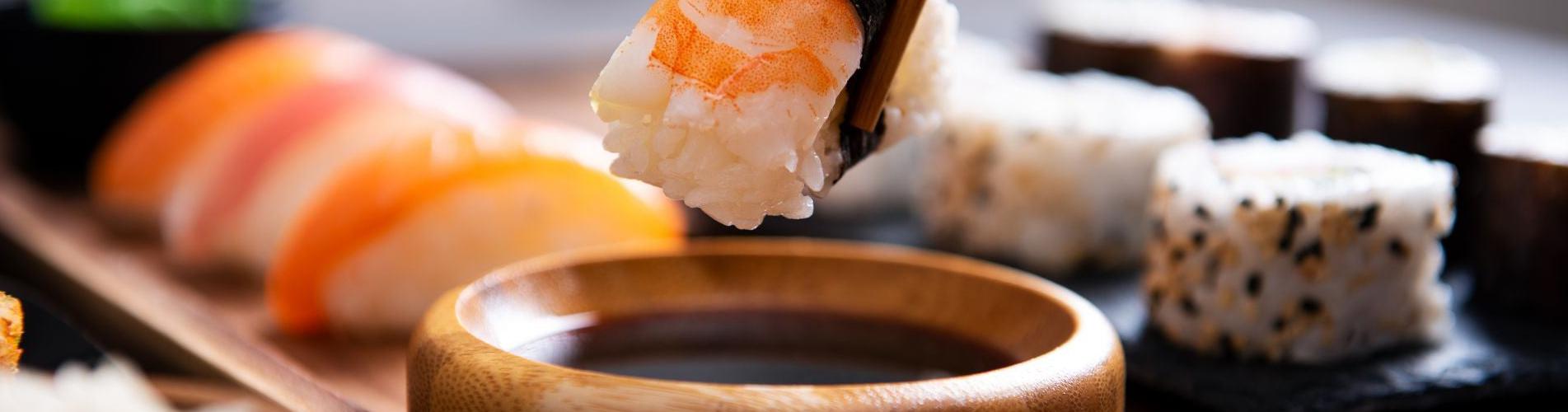
A good Chinese stir-fry sauce is all about balance. It should bring out the natural flavor of the ingredients without making the dish too salty, too sweet, or overly rich. In traditional Chinese cooking, this balance often comes from combining light soy sauce, dark soy sauce, oyster sauce, and Chinese cooking wine.
Each seasoning has a different purpose. Light soy sauce provides the savory foundation, dark soy sauce adds color and depth, oyster sauce contributes rich umami, and cooking wine enhances the overall aroma. When used in the right proportions, these ingredients create a versatile Chinese stir-fry sauce for vegetables, beef, chicken, seafood, and noodles.
For home cooks, restaurants, and food service businesses, understanding how these seasonings work together is a practical way to improve flavor consistency and get more out of everyday ingredients.
A balanced Chinese stir-fry sauce combines savory flavor, umami, aroma, and color in proportions that complement the main ingredients. It should season the food evenly while allowing the original flavors of vegetables, meat, or seafood to remain noticeable.
There is no single formula for every Chinese stir-fry, but most basic combinations follow a similar structure:
The important point is that these ingredients should not be used in equal amounts. Light soy sauce usually forms the base, while dark soy sauce is added more sparingly. Oyster sauce and cooking wine are adjusted according to the dish.
Light soy sauce is usually the starting point when making Chinese stir-fry sauce. It provides the characteristic fermented soybean flavor and savory taste that help bring different ingredients together.
Unlike dark soy sauce, light soy sauce has a thinner consistency and a lighter reddish-brown color. Its main purpose is seasoning rather than adding a deep color to the finished dish.
It works particularly well in:
For example, when preparing chicken and broccoli, light soy sauce provides the main savory flavor, while garlic and oyster sauce add further depth. A small amount of water helps the seasonings coat the ingredients evenly.
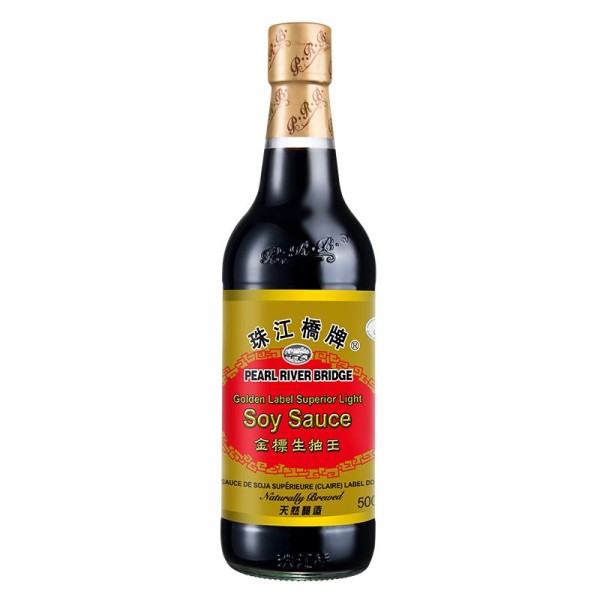
Pearl River Bridge offers a selection of naturally brewed light soy sauces, including Golden Label Superior Light Soy Sauce. Its product information describes a fermentation process of more than 100 days and a first-batch extraction with a savory flavor and aroma.
Explore Pearl River Bridge Light Soy Sauce for different cooking applications, including stir-frying, marinating, and dipping.
Dark soy sauce plays a different role in a stir-fry sauce. While light soy sauce mainly seasons the ingredients, dark soy sauce is commonly used to develop a deeper brown color and a fuller flavor.
It is especially useful for dishes where appearance matters as much as taste, such as:
One common mistake is treating dark soy sauce as a direct replacement for light soy sauce. Using too much can make a dish excessively dark and change its overall flavor balance.
A better approach is to start with light soy sauce as the seasoning base and add dark soy sauce gradually until the desired color is achieved.
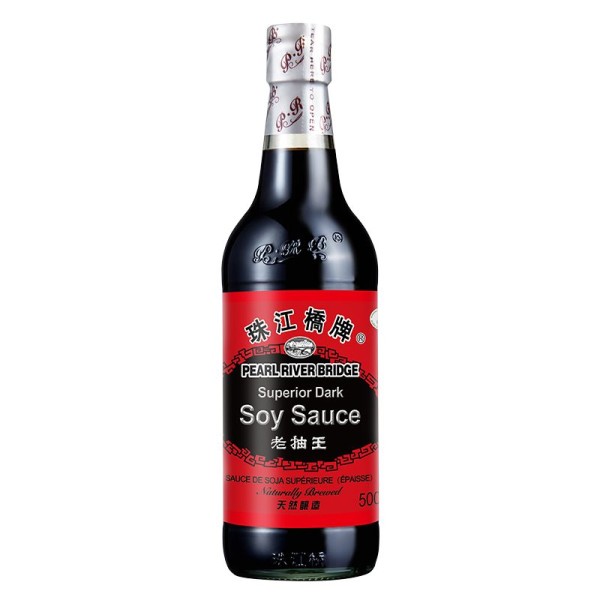
Pearl River Bridge Superior Dark Soy Sauce is made using a fermentation process of more than 100 days and is suitable for marinating and coloring dishes. Its Mushroom Flavoured Dark Soy Sauce provides another option for recipes that benefit from a mushroom aroma.
Learn more about the Pearl River Bridge Dark Soy Sauce Collection and its applications in Chinese and international cooking.
Oyster sauce is an important ingredient in many Cantonese-style stir-fries. It adds a distinctive savory taste, mild sweetness, and a smooth texture that helps make a simple sauce feel more complete.
Compared with soy sauce, oyster sauce has a richer and more concentrated flavor. It is particularly suitable for recipes that need a fuller savory profile.
Some popular applications include:
When combining oyster sauce with soy sauce, remember that both ingredients contribute saltiness. Start with a moderate amount of oyster sauce and adjust the other seasonings rather than automatically adding more salt.
Pearl River Bridge offers several oyster sauce options. Its Top Grade Oyster Sauce is described as having a higher percentage of oyster extract and a stronger oyster flavor. The product is suitable for marinating, stir-frying, stewing, and dipping.
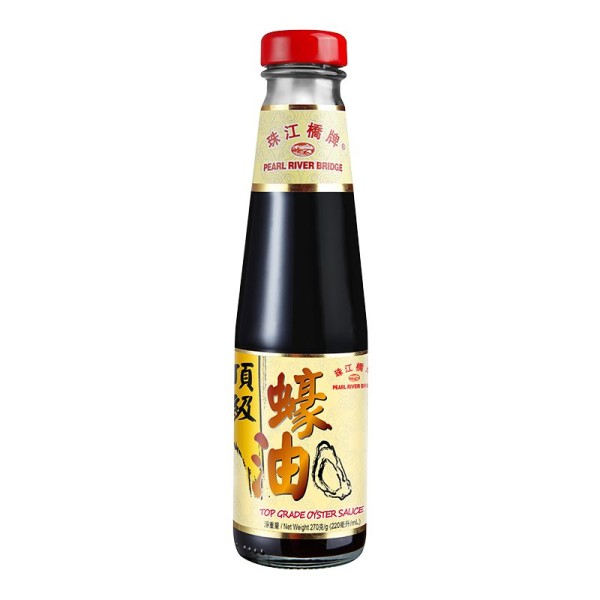
For restaurant kitchens and everyday cooking, explore Pearl River Bridge Top Grade Oyster Sauce and its different packaging options.
Chinese cooking wine is often used in stir-fry recipes to complement the aroma of meat, seafood, and other ingredients. It adds another layer of flavor that is different from the saltiness of soy sauce or the richness of oyster sauce.
Cooking wine is commonly used in two stages:
For beef stir-fry, for example, thinly sliced beef can be marinated with light soy sauce, cooking wine, and a little cornstarch before being added to a hot wok. This helps distribute the seasoning and prepares the meat for stir-frying.
When cooking seafood, a modest amount of cooking wine can complement the natural flavor of fish, shrimp, and other ingredients without making the seasoning too heavy.
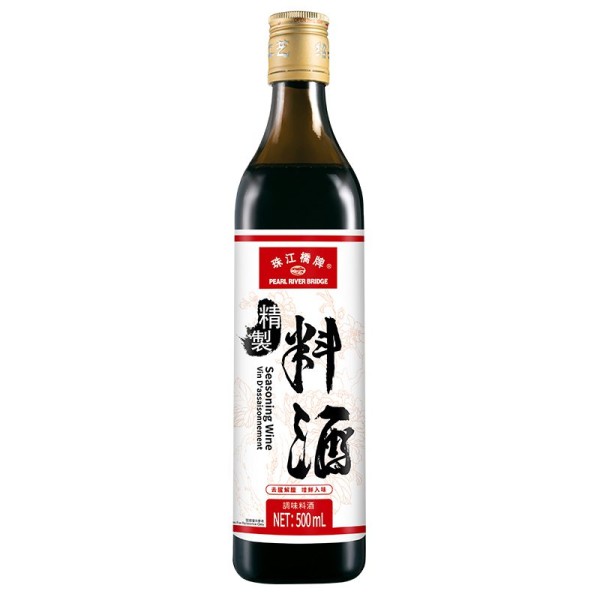
Pearl River Bridge provides different seasoning wine and cooking liquor products for culinary applications. Its range includes Seasoning Wine, Salt Cooking Liquor, and traditional rice wine products.
Discover Pearl River Bridge Cooking Wine to learn more about the available products and their uses in Chinese cooking.
For a basic Chinese stir-fry sauce, the following combination is a useful starting point for approximately two servings of vegetables, chicken, or beef.
| Ingredient | Suggested Amount | Main Function |
|---|---|---|
| Light soy sauce | 1 tablespoon | Savory base |
| Oyster sauce | 1 tablespoon | Umami and richness |
| Dark soy sauce | 1/2 teaspoon | Color and depth |
| Chinese cooking wine | 1 tablespoon | Aroma |
| Water or unsalted stock | 2 tablespoons | Adjusts consistency |
| Sugar | 1/2 teaspoon | Balances flavor |
How to prepare the sauce:
This recipe is a starting ratio rather than a fixed commercial formula. Different soy sauce brands, oyster sauce formulations, ingredient quantities, and cooking methods can produce different results. Adjust the proportions to suit the desired flavor.
A good stir-fry sauce should match the ingredients being cooked. The same seasoning combination may work well with beef but feel too heavy for delicate seafood or fresh vegetables.
For beef and pork: Use light soy sauce as the base, with cooking wine for aroma. Add oyster sauce for a richer savory taste and a small amount of dark soy sauce when a deeper color is preferred.
For chicken: Combine light soy sauce, oyster sauce, garlic, and a little cooking wine. This creates a versatile seasoning profile for chicken breast, chicken thighs, and mixed vegetable dishes.
For vegetables: Keep the sauce lighter. Light soy sauce with a modest amount of oyster sauce is often enough. Add water or unsalted stock to avoid overpowering the vegetables.
For seafood: Use light soy sauce and a small amount of cooking wine. Oyster sauce can be added depending on the recipe, but dark soy sauce is generally unnecessary when a lighter appearance is preferred.
For noodles and fried rice: Use light soy sauce for seasoning and add a small amount of dark soy sauce when a darker brown color is desired. Oyster sauce can provide extra richness, especially in meat and vegetable noodle dishes.
The key is to adjust the quantity of each seasoning instead of using the full recipe without considering the main ingredients.
Even good-quality ingredients can produce an unbalanced sauce if the proportions or cooking sequence are incorrect. These are some common problems to avoid.
A practical solution is to prepare the sauce separately before cooking. This makes it easier to control the quantities and helps maintain a consistent seasoning process.
For restaurants, catering companies, and food manufacturers, seasoning selection involves more than individual product flavor. Consistency, packaging, product specifications, and reliable supply are also important considerations.
A restaurant preparing the same stir-fry dishes every day needs a repeatable seasoning combination. Changes in soy sauce saltiness, oyster sauce flavor, or cooking wine aroma can affect the final dish and make it difficult to maintain consistent recipes across kitchen teams.
Food businesses should consider several factors when evaluating Chinese seasoning suppliers:
Pearl River Bridge has been sharing the taste of Chinese cooking since 1958. Its product portfolio includes soy sauces, oyster sauces, cooking wine, vinegar, and other Chinese seasonings for different culinary applications.
For professional buyers, the company also provides product development and OEM services, supporting different formulation, packaging, and specification requirements.
Businesses looking for a Chinese seasoning manufacturer and supplier can explore Pearl River Bridge's Complete Product Range to learn more about the available products.
What is the best combination for Chinese stir-fry sauce?
A practical Chinese stir-fry sauce combines light soy sauce, oyster sauce, a small amount of dark soy sauce, and Chinese cooking wine. Water or unsalted stock can be added to adjust the consistency. The exact proportions depend on the ingredients and desired flavor.
What is the difference between light soy sauce and dark soy sauce in stir-frying?
Light soy sauce mainly provides savory seasoning, while dark soy sauce is used to develop a deeper brown color and fuller flavor. They serve different purposes and should not automatically replace one another.
Can I make Chinese stir-fry sauce without oyster sauce?
Yes. You can prepare a simple stir-fry sauce using light soy sauce, a little dark soy sauce, cooking wine, and water. The result will have a lighter flavor and less of the characteristic richness associated with oyster sauce.
When should I add cooking wine to stir-fry?
Cooking wine can be added during marinating or early in the cooking process. It is commonly used with meat and seafood to introduce aroma and complement the other seasonings.
How much dark soy sauce should I use in stir-fry?
Start with approximately half a teaspoon for a two-serving sauce and adjust gradually. Dark soy sauce is primarily used for color and flavor depth, so a small quantity is often sufficient.
How can I make Chinese stir-fry sauce less salty?
Reduce the amount of light soy sauce and oyster sauce, then add water or unsalted stock to adjust the consistency. Avoid adding extra salt until the finished dish has been tasted.
Can I prepare Chinese stir-fry sauce in advance?
Yes. Mix the ingredients in a clean container and refrigerate promptly in a sealed container. Follow the storage instructions for each ingredient, keep the mixture refrigerated, and use it within an appropriate period.
Which Pearl River Bridge products are suitable for Chinese stir-frying?
Pearl River Bridge Light Soy Sauce, Dark Soy Sauce, Top Grade Oyster Sauce, and Cooking Wine are suitable options for different stir-fry applications. The best combination depends on the ingredients and the flavor profile of the recipe.
A balanced Chinese stir-fry sauce does not need a long list of ingredients. What matters is understanding the role of each seasoning and using the right amount for the dish.
Light soy sauce builds the savory foundation, dark soy sauce adds color and depth, oyster sauce brings richness, and Chinese cooking wine enhances aroma. Together, they create a flexible seasoning combination for everyday cooking and professional food preparation.
With a broad range of Chinese sauces and seasonings, Pearl River Bridge supports home cooks, restaurants, wholesalers, and food manufacturers looking for authentic Chinese flavor and dependable condiment solutions.
Explore Pearl River Bridge products and discover how traditional Chinese seasoning can bring more flavor and versatility to your recipes and food business.
 Subscribe To Our Newslettter To Stay Tuned



 IPv6 network supported
Hi! Click one of our members below to chat on

 Recipe Books
 PRB Soy Sauce Museum
 English
 English
 français
 русский
 español
 العربية