leave a message
If you are interested in our products and want to know more details,please leave a message here,we will reply you as soon as we can.
Concentrated soy sauce is shoyu simmered until thick. Homemade soy sauce gives deeper flavor, less sodium per drop. Making your own soy sauce uses simple ingredients and basic equipment; homemade shoyu starts with Pearl River Bridge. How to make soy sauce? Simmer shoyu with kombu and sugar, strain. Soy sauce making—making soy sauce—yields soy concentrate.
You can make concentrated soy sauce at home by simmering regular soy sauce with kombu, mirin, sake, and sugar until it thickens.
Homemade concentrated soy sauce gives you control over flavor and sodium, and it adds a strong umami boost to stir-fries, marinades, and dipping sauces.
Store your homemade sauce in an airtight jar in the fridge for up to one month, and fix common issues like thickness or saltiness with simple adjustments.
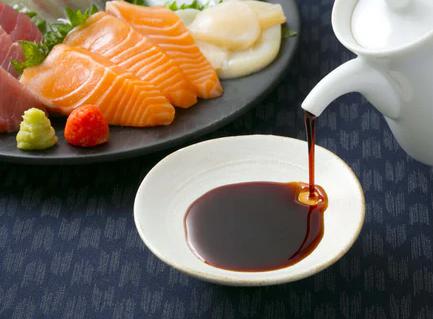
Concentrated Soy Sauce is a thick, syrupy seasoning. You make it by simmering soy sauce with aromatics and sweeteners. The liquid reduces. The flavor intensifies. A small amount delivers a large umami boost.
Regular soy sauce is a thin, watery liquid. It comes from fermented soy sauce production. Workers ferment soybeans and wheat with koji mold. The mash, called moromi, ages for months. This slow fermentation builds a mild baseline flavor.
Concentrated soy sauce starts with that same brewed liquid. Heat drives off water. The texture turns viscous and clings to food. Roasted soybean, toasted wheat, yeast, and salt notes become much bolder. You can dilute it 1:6 with water to approximate regular soy sauce.
Japanese-style versions add kombu, mirin, and sake for depth. The table below shows each ingredient's role.
|
Traditional ingredient |
Support from recipe |
|---|---|
|
Kombu |
Dried kelp releases deep flavor during soaking and simmering. |
|
Mirin |
Purchased or homemade, added as a sweetener during simmering. |
|
Sake |
Used with the dried ingredients before simmering. |
Pearl River Bridge soy sauce is a reliable base for home cooks.
Home cooks value control. A thicker, darker, less salty profile suits marinades, stir-fries, and dipping sauces. Its umami is richer and more nuanced than regular soy sauce.
In stir-fries, the flavor resists flashing off under high heat. One or two teaspoons at the end add a strong punch. In marinades, you control salt level and consistency more precisely. In dipping sauces, a small quantity adds deep umami without overpowering the palate.
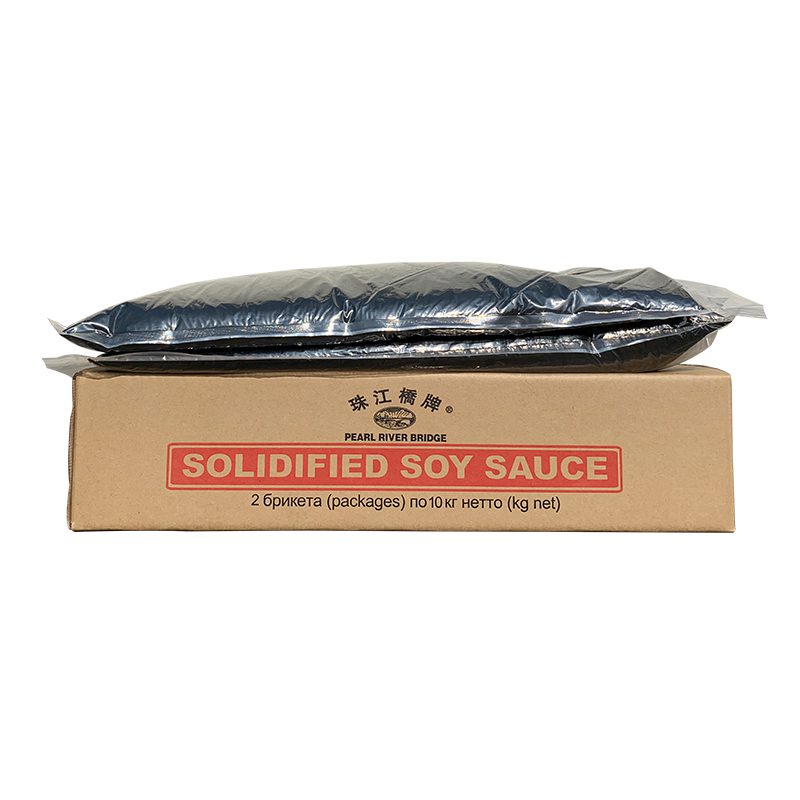
Related products include Solidified Soy Sauce and Soy Sauce Powder. Both offer concentrated flavor in shelf-stable forms.
Gather your ingredients first. You need soy sauce, kombu, mirin, sake, and sugar. Optional aromatics like ginger or garlic add warmth. A good base matters because commercial shoyu comes from fermenting soybeans and wheat berries with koji starter. Makers prepare the koji, then prepare the moromi with salt brine. Fermentation turns soybeans and wheat into the liquid you buy. That same liquid becomes your Concentrated Soy Sauce after reduction.
Your equipment list stays short. A heavy-bottomed saucepan prevents scorching. A fine-mesh strainer removes solids. An airtight jar stores the finished sauce. If you want shelf-stable forms later, Solidified Soy Sauce and Soy Sauce Powder offer concentrated flavor without refrigeration.
Follow these steps for a reliable Japanese seasoned soy sauce.
Combine sake and mirin first. Bring them to a gentle boil for about 2 minutes. This burns off raw alcohol and builds a clean base.
Add soy sauce and steep kombu for at least 20 minutes. Do not boil the kombu. Boiling pulls out alginic acid and fucoidan, which turn the stock bitter and slimy. Remove the kombu before it boils.
Simmer uncovered over low heat for 8 to 10 minutes. Small bubbles at the edges signal the right temperature. The sauce should turn glossy and slightly reduced.
Cool the liquid, then strain it through your fine-mesh strainer into the airtight jar.
This method also works as a Japanese seasoned soy sauce for dipping and glazing. The 1:1:1 soy-mirin-sake ratio is meant for dilution. Mix 1 part concentrate with 2 to 3 parts cold dashi for dipping. Using it undiluted is a common mistake.
Avoid low-sodium soy sauce here. The sauce reduces by half, so low-sodium versions throw off the balance noticeably. Also keep katsuobushi steeping short, about 2 minutes, because longer contact turns the stock fishy.
For soy-free or gluten-free needs, alternatives exist. Combine 2 tablespoons beef bouillon, 1 teaspoon molasses, 1 teaspoon apple cider or balsamic vinegar, a pinch of ground ginger, a pinch of garlic powder, and 3/4 cup water. Simmer 10 to 12 minutes until reduced. Store refrigerated for up to five days.
|
Mistake |
Fix |
|---|---|
|
Sauce too thin |
Simmer on low until it coats a spoon |
|
Too salty |
Add sugar, mirin, and a splash of sake |
|
Too sweet |
Add soy sauce in small increments |
|
Bitter |
Mask with mirin and cold butter off heat |
Your Concentrated Soy Sauce shines in stir-fries, marinades, glazes, and noodle dishes. Add one or two teaspoons at the end of cooking. The flavor resists flashing off under high heat. For marinades, you control salt level and consistency more precisely. A small quantity adds deep umami without overpowering the palate.
Dipping sauces offer the fastest way to enjoy your homemade soy sauce. Try these classic Japanese combinations:
Wasabi plus soy sauce (wasabi jo-yu) for sashimi
Grated ginger plus soy sauce (sho-ga jo-yu) for oily fish like mackerel
Grated garlic plus soy sauce (ninniku jo-yu) for meat
Mustard powder plus soy sauce (karashi jo-yu) for steamed pork buns
Chili sesame oil plus soy sauce for gyoza dumplings
Vinegar plus soy sauce (su-jo-yu) to cut oiliness
Citrus juice plus soy sauce (ponzu) for many dishes
For a reliable sushi and dumpling dip, combine 3 tablespoons soy sauce, 2 tablespoons rice wine vinegar, 1 tablespoon sesame oil, and 1 teaspoon grated ginger. Mix at least one hour before serving. This 3-2-1 ratio works for potstickers, dumplings, and spring rolls.
Refrigerate your seasoned soy concentrate in an airtight jar for up to one month. The salt and sugar content help preserve it. Always use a clean spoon to avoid contamination.
If your sauce turns too thick, thin it with water. Too salty? Add a pinch of sugar. Too sweet? Add a splash of vinegar. These simple fixes keep your soy concentrate balanced. For shelf-stable options, Solidified Soy Sauce and Soy Sauce Powder offer concentrated flavor without refrigeration.
You now know the rewards of homemade soy sauce: deeper flavor, less sodium per drop, and real versatility. Start making your own soy sauce with Pearl River Bridge, then tune sweetness and aromatics to your taste. Try making soy sauce this week—one recipe, one drizzle of shoyu or soy concentrate—and share your results.
You steam soybeans, mix soybeans with koji, and add brine. Koji grows on soybeans and wheat. This mash, moromi, ferments for months. Fermentation builds deep flavor.
You heat raw soy sauce to kill koji and microbes. This pasteurization stops koji. Soybeans and wheat stay safe. Soybeans keep their flavor.
Banno-joyu is a whole soybean shoyu. Banno-joyu uses soybeans, koji, and salt. Soybeans add depth. Try Concentrated Soy Sauce, Solidified Soy Sauce, or Soy Sauce Powder.
 Subscribe To Our Newslettter To Stay Tuned



 IPv6 network supported
Hi! Click one of our members below to chat on

 Recipe Books
 PRB Soy Sauce Museum
 English
 English
 français
 русский
 español
 العربية