leave a message
If you are interested in our products and want to know more details,please leave a message here,we will reply you as soon as we can.
Sourcing bulk soy sauce for a new restaurant is one of those decisions that quietly shapes everything from your signature dishes to your food cost stability. Many first-time restaurant owners assume soy sauce is a simple commodity purchase, but once you start looking at different grades, fermentation methods, and regional styles, it becomes clear that not all soy sauces behave the same in a commercial kitchen. Choosing the right supplier is not just about price per liter—it’s about consistency, flavor balance, shelf stability, and how well the product fits your menu identity.
For many Asian restaurants, especially those building a menu around Chinese, Cantonese, or fusion cuisine, understanding the core soy sauce categories is the first step. Light soy sauce is typically used for seasoning, while darker varieties bring color, depth, and caramelized complexity to dishes. At the sourcing stage, it often helps to explore established commercial producers that already standardize flavor profiles for bulk supply. For example, a reliable reference point for restaurant-grade products can be found in offerings like Dark Soy Sauce, which is widely used in professional kitchens for braised dishes, marinades, and stir-fry bases. Products like this are designed not only for taste but also for consistency across large batch cooking, which is critical when your kitchen scales up during peak service hours.
When suppliers talk about bulk soy sauce, they are usually referring to foodservice packaging—anything from 5-liter jugs to 20-liter drums, or even larger aseptic containers for central kitchens. But volume is only one part of the equation. Restaurants should also pay attention to fermentation method, ingredient quality, and sodium levels.
Naturally brewed soy sauce, for example, develops complexity over months of fermentation. Chemically hydrolyzed versions are faster and cheaper but often lack depth. In a restaurant environment, this difference becomes noticeable in dishes that rely heavily on seasoning rather than sauces—like fried rice, noodle bases, or dipping sauces.
Another overlooked factor is regional taste expectations. A Japanese-inspired restaurant might prioritize cleaner, lighter profiles, while a Chinese braised dish menu often depends on richer, darker soy sauces that can withstand long cooking times without turning bitter.
Most restaurant owners don’t buy directly from retail shelves. Instead, they go through one of four main channels:
1. Foodservice distributors
Large distributors supply everything from ingredients to packaging. This is the most common route for restaurants that want predictable restocking schedules and credit terms. The downside is limited customization—what you get is usually what the distributor stocks.
2. Direct manufacturers
Working directly with soy sauce producers is ideal for restaurants that need consistent volume and branding control. This route often requires higher minimum order quantities but offers better pricing and customization options, including salt levels, color intensity, and packaging formats.
3. Importers and specialty Asian food suppliers
For restaurants outside Asia, importers play a key role in bringing authentic soy sauces into local markets. These suppliers often carry multiple brands, allowing chefs to test and compare different flavor profiles before committing.
4. Online B2B food platforms
Increasingly, restaurants are sourcing through B2B marketplaces that connect buyers with manufacturers globally. This option is especially useful for smaller restaurants that still want access to premium-grade ingredients without committing to massive bulk contracts.
Regardless of the channel, most chefs will test multiple samples before finalizing a supplier. In fact, tasting side-by-side comparisons is one of the most practical ways to evaluate whether a soy sauce works for your menu or not.
Once you start narrowing down suppliers, the decision becomes less about variety and more about performance under real kitchen conditions.
Flavor consistency is the first priority. In a busy kitchen, you cannot afford variation between batches. Even a slight shift in saltiness or sweetness can alter a signature dish.
Color stability is another important factor. Dark soy sauces are often used to enhance visual appeal in braised meats and stir-fries. If the color oxidizes or changes unpredictably after cooking, it can affect plating consistency.
Ingredient transparency is increasingly important, especially for restaurants positioning themselves as health-conscious or premium dining experiences. Clean-label soy sauces with minimal additives are becoming more in demand.
For example, restaurants looking for naturally brewed, cleaner-label options often explore products like Organic Soy Sauce, which appeal to modern diners who care about sourcing and ingredient integrity. These products are especially useful in upscale or health-oriented menus where customers are more attentive to what goes into their meals.
Not all soy sauces serve the same purpose, and choosing the wrong type can subtly weaken your dishes.
Light soy sauce is typically used for seasoning and salt balance. It enhances flavor without overpowering the dish. Dark soy sauce, on the other hand, is more about body, color, and depth. It is commonly used in red-braised dishes, slow-cooked meats, and rich stir-fries.
Some restaurants also incorporate specialty variants to add signature notes. Mushroom-infused soy sauces, for instance, bring umami complexity that works well in vegetarian dishes or sauces that need an earthy undertone.
In fact, many chefs build a three-tier soy sauce system in their kitchen:
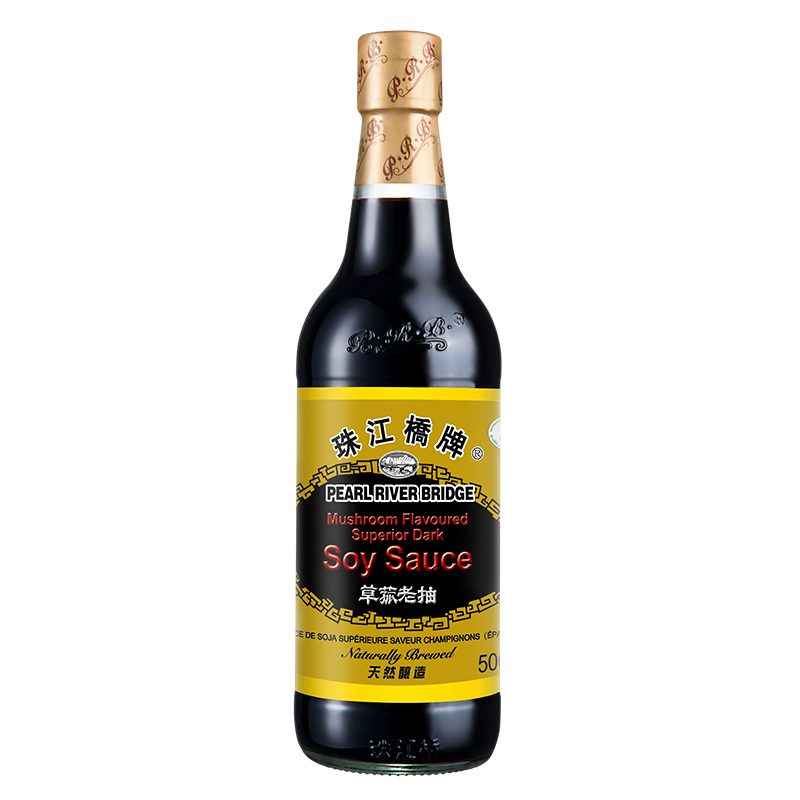
One example that fits into this specialty category is Mushroom Flavoured Dark Soy Sauce, which is often used to deepen umami while still maintaining the visual richness expected from dark soy-based dishes. It’s particularly effective in plant-based menus or modern fusion dishes where mushrooms are used as a core flavor foundation.
For new restaurant owners, soy sauce might seem like a low-cost ingredient, but in high-volume kitchens it becomes a significant line item. The key is balancing cost efficiency with flavor integrity.
Buying in bulk almost always reduces unit cost, but it also introduces storage considerations. Soy sauce is stable, but once opened or transferred into smaller containers, it should be stored properly to avoid flavor degradation. Many restaurants invest in sealed dispensing systems to maintain quality over time.
Another strategy is blending. Some kitchens use a premium soy sauce for finishing dishes and a more cost-effective base soy sauce for cooking. This hybrid approach allows chefs to maintain flavor quality while controlling costs.
Proper storage is often overlooked but plays a major role in maintaining soy sauce quality. Bulk containers should be stored in cool, dry places away from direct sunlight. Once transferred into kitchen containers, they should be labeled clearly with batch dates to ensure rotation.
In busy kitchens, efficiency matters. Many restaurants set up centralized sauce stations where soy sauce is portioned into squeeze bottles or ladles for quick access during service. This reduces prep time and ensures consistent usage across different cooks.
Training staff is also important. Even high-quality soy sauce can be misused if chefs are not aligned on portion control and dish standards.
Once you find a soy sauce supplier that works for your restaurant, the relationship becomes part of your operational stability. Reliable suppliers often provide more than just products—they can offer formulation adjustments, private labeling, and even menu development support.
Over time, this consistency becomes part of your restaurant’s identity. Regular customers may not consciously recognize the soy sauce itself, but they will notice when flavors remain stable across visits.
As your restaurant grows, you may also expand into multiple soy sauce profiles to support seasonal menus or new dishes. At that stage, having a dependable supply chain becomes even more valuable than the initial cost savings.
A well-chosen soy sauce is not just an ingredient—it becomes part of the foundation of your cooking style, shaping how your dishes evolve and how customers remember your food.
 Subscribe To Our Newslettter To Stay Tuned



 IPv6 network supported
Hi! Click one of our members below to chat on

 Recipe Books
 PRB Soy Sauce Museum
 English
 English
 français
 русский
 español
 العربية