leave a message
If you are interested in our products and want to know more details,please leave a message here,we will reply you as soon as we can.
You can experience a new way to enjoy soy sauce with solidified soy sauce. This innovative product gives you a rich, enhanced flavor in a modern, easy-to-use form. You will find it convenient whether you cook at home or work as a professional chef. Many people choose it for its cost savings, versatility, and premium quality.
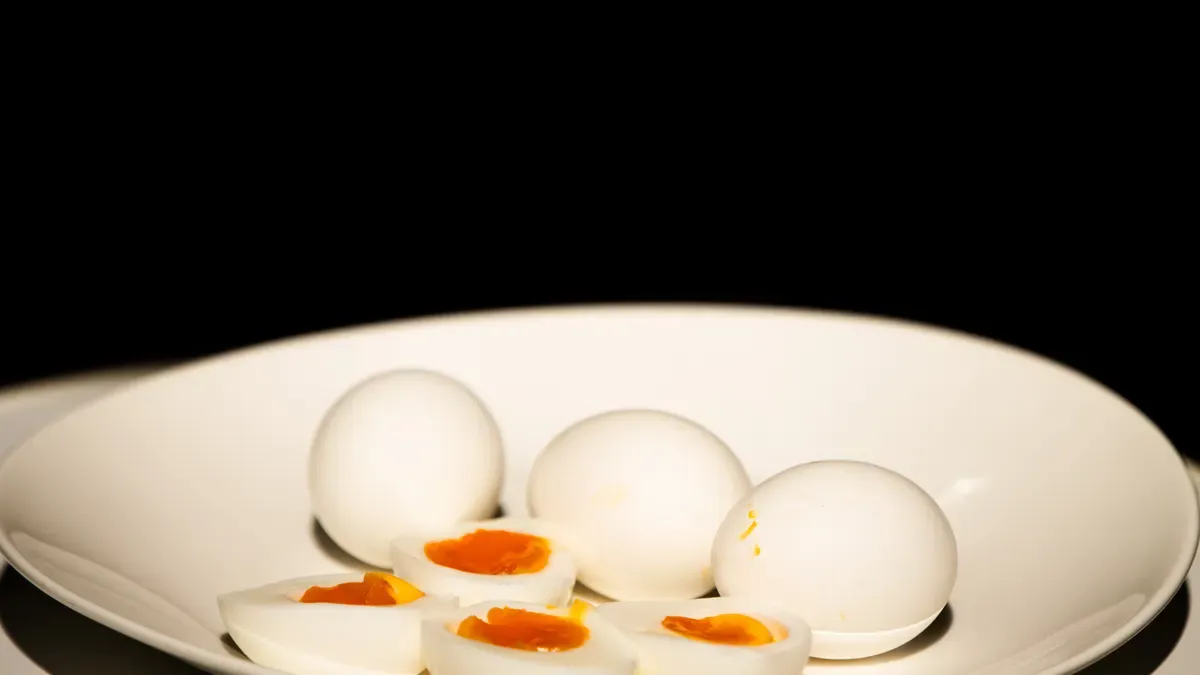
You can discover how solidified soy sauce is made by looking at each step in the process. This method preserves the nutrition and flavor of every soybean. Pearl River Bridge uses a careful approach to ensure high quality. Here is how the production works:
You will also find that solidified soy sauce production uses modern technology. Patented methods help keep the natural taste and aroma. Some techniques focus on making light-colored, low-odor soy sauce with strong umami flavors. These methods use natural fermentation and avoid artificial ingredients. Producers also use special enzymes to boost umami compounds, making the taste even better.
Food safety is very important. Manufacturers follow strict standards and certifications to protect your health. Here is a table of common certifications:
| Certification | Description |
| ISO 22000 | International standard for food safety management systems |
| HACCP | Preventive approach to food safety |
| FDA Registration | Needed for exporting to the United States |
| BRC | Global food safety standard |
| HALAL | For products allowed under Islamic law |
| Kosher | For products allowed under Jewish dietary law |
| Non-GMO Project Verified | Ensures no genetically modified organisms |
| GFSI recognized | High level of food safety assurance (e.g., FSSC 22000) |
Packaging also matters. Oxygen-impermeable bottles help keep the flavor and extend shelf life.
When you use solidified soy sauce, you notice a big difference from regular liquid soy sauce. The texture and structure set it apart:
You can also compare the composition of different types of soy sauce. Here is a table that shows the main differences between dark and light soy sauces:
| Feature | Dark Soy Sauce | Light Soy Sauce |
| Composition | Added sweeteners like molasses or caramel | No added sweeteners, thinner consistency |
| Viscosity | Thicker | Thinner, more fluid |
| Flavor Profile | Milder salty, caramelized sweetness | Sharper saltiness, enhances umami |
| Color | Deep reddish-brown | Lighter amber |
| Culinary Use | Glazing, red-cooked dishes | Seasoning, marinades |
| Interchangeability | Not interchangeable with light soy sauce | Not interchangeable with dark soy sauce |
Solidified soy sauce stands out because it gives you a concentrated, stable, and easy-to-use product. You get all the benefits of traditional soy sauce in a modern form that fits your busy kitchen.
You notice a powerful taste when you use solidified soy sauce. The concentrated form gives you a stronger flavor than regular liquid soy sauce. You only need a small amount to add depth to your dishes. The long fermentation process creates a rich umami sensation. This comes from special compounds that develop during fermentation.
These compounds work together to create a bold taste. You can use solidified soy sauce in marinades, stir-fries, or dipping sauces. The flavor stands out and makes your food memorable. You control the intensity by adjusting the amount you use.
You experience a unique aroma when you open solidified soy sauce. The scent is more concentrated than liquid soy sauce. The drying process locks in the fragrance. You smell a mix of savory, sweet, and roasted notes.
A variety of volatile compounds create this aroma:
You can use the aroma to enhance your cooking. Sprinkle solidified soy sauce on hot food and let the scent fill your kitchen. The aroma signals quality and freshness. You enjoy both the taste and the smell in every meal.
| Compound Type | Aroma Contribution |
| Acids | Tangy |
| Alcohols | Warm |
| Aldehydes | Sweet |
| Esters | Fruity |
| Furanones | Roasted, caramel |
| Pyrazines | Nutty, roasted |
| Sulfur compounds | Deep, savory |
You discover new layers of flavor and aroma each time you use solidified soy sauce. This product helps you create dishes that taste and smell amazing.
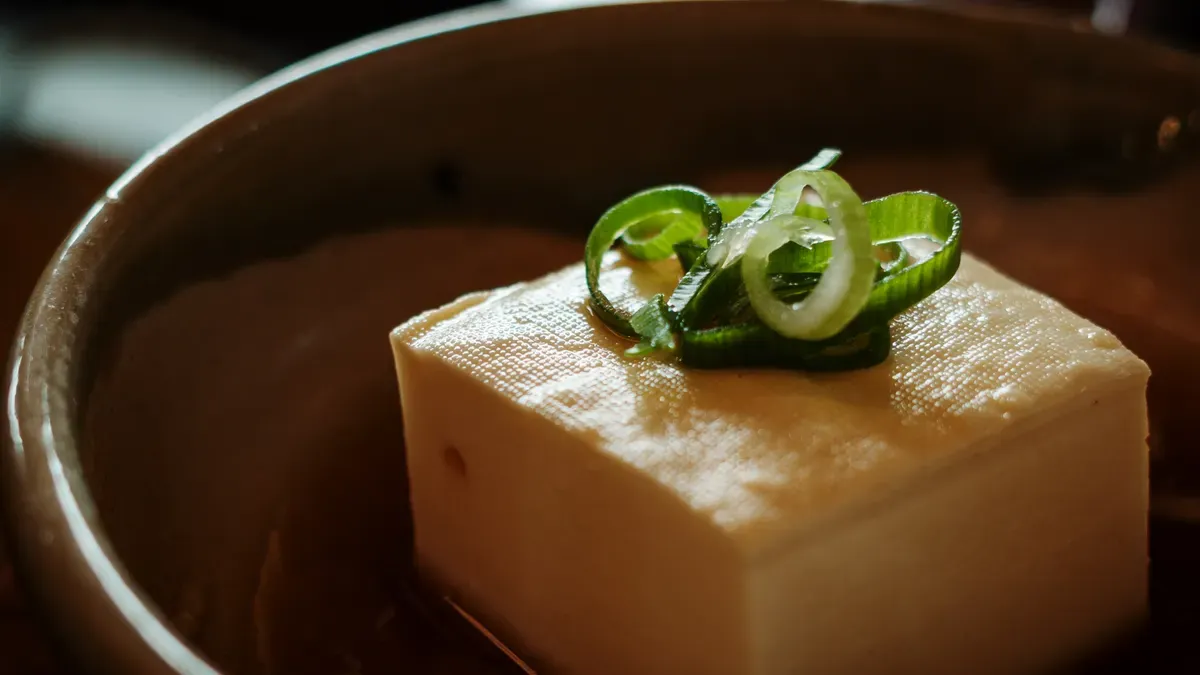
You can use solidified soy sauce in many ways to make your meals more flavorful. Chefs and home cooks add it to stir-fries, giving dishes a deeper and richer taste. You might find it helpful when making marinades, as it brings out the best in meats and vegetables. Many people use it in dipping sauces, making them more savory and complex.
Solidified soy sauce gives you more options in the kitchen. You can use it as a finishing touch or as the main flavor in a dish. It opens up new ways to try recipes from around the world. You can blend it into salad dressings or use it as a base for homemade sauces. It melts easily, giving your food a rich color and taste.
You will find solidified soy sauce easy to use in any kitchen. The solid form is simple to handle and blend, making it suitable for home cooks, professional chefs, and food manufacturers. You can keep it in your pantry for a long time, so you do not need to buy soy sauce often. It does not spill or leak, which makes it convenient and safe to store.
To reconstitute, just mix the solid with water. You can adjust the amount to get the flavor strength you want. This flexibility helps you control the taste of your dishes. The solid form is easy to measure and blend into recipes, making cooking more enjoyable.
Solidified soy sauce also helps food manufacturers ship more product at a lower cost. It lasts longer than liquid soy sauce, so you waste less and make fewer trips to the store. You get the same rich flavor and nutritional benefits as liquid soy sauce, but with added convenience and versatility.
You can save a lot of money and space by choosing solidified soy sauce. This product takes up less room in your warehouse and costs less to ship than regular soy sauce. When you use a concentrated form, you need fewer pallets and less storage space.
You get more than just savings. You enjoy high quality and easy use with this product. Many chefs and food professionals praise solidified soy sauce for its strong flavor and simple handling. You can add it quickly to any dish without measuring liquids. This makes your cooking faster and cleaner.
A recent industry report shows that more people want sauces that are easy to use and fit into their daily meals. The table below highlights key points:
| Evidence Description | Key Points |
| Growing demand for soy-based cooking sauces | Emphasizes convenience and integration into home cooking. |
| Preference for flavor reliability and compatibility with recipes | Enhances consumer confidence and supports meal preparation operations. |
| Projected market share of soy-based cooking sauces in 2025 | Expected to account for 42.30% of cooking sauce demand, showing their importance in kitchens. |
You can trust that solidified soy sauce will work in many recipes. Chefs like it because it fits Asian, American, and European dishes. The strong taste and easy storage help you create great meals with less effort. As more people look for reliable and convenient products, you will see this soy sauce become even more popular in kitchens everywhere.
You have learned how solidified soy sauce brings new flavor and convenience to your kitchen. This product gives you strong taste, easy storage, and many ways to use it in your meals. You can try it in your favorite recipes or explore new dishes. Discover how solidified soy sauce can make your cooking more exciting and practical.
You should keep solidified soy sauce in a cool, dry place. Make sure the container stays tightly sealed. This helps keep the flavor fresh and prevents moisture from getting in.
Yes, you can use it in the same way. Add it directly to dishes or dissolve it in water to make liquid soy sauce. You control the strength by adjusting the amount.
Mix the solidified soy sauce with water. Stir until it dissolves. Use more or less water to get the taste you want.
Solidified soy sauce keeps the nutrition of traditional soy sauce. It contains protein, amino acids, and minerals from soybeans. You get the same health benefits in a more convenient form.
 Subscribe To Our Newslettter To Stay Tuned



 IPv6 network supported
Hi! Click one of our members below to chat on

 Recipe Books
 PRB Soy Sauce Museum
 English
 English
 français
 русский
 español
 العربية