leave a message
If you are interested in our products and want to know more details,please leave a message here,we will reply you as soon as we can.
You might notice how quickly solidified soy sauce is changing the way you cook today. This ingredient stands out because it combines premium craftsmanship with a modern twist. People everywhere want bold flavors, and you see more and more households choosing Asian-inspired dishes each week. In fact, the soy sauce market is growing fast, expected to reach almost $65 billion by 2031. If you love convenience and crave new flavors, solidified soy sauce brings both right to your kitchen.
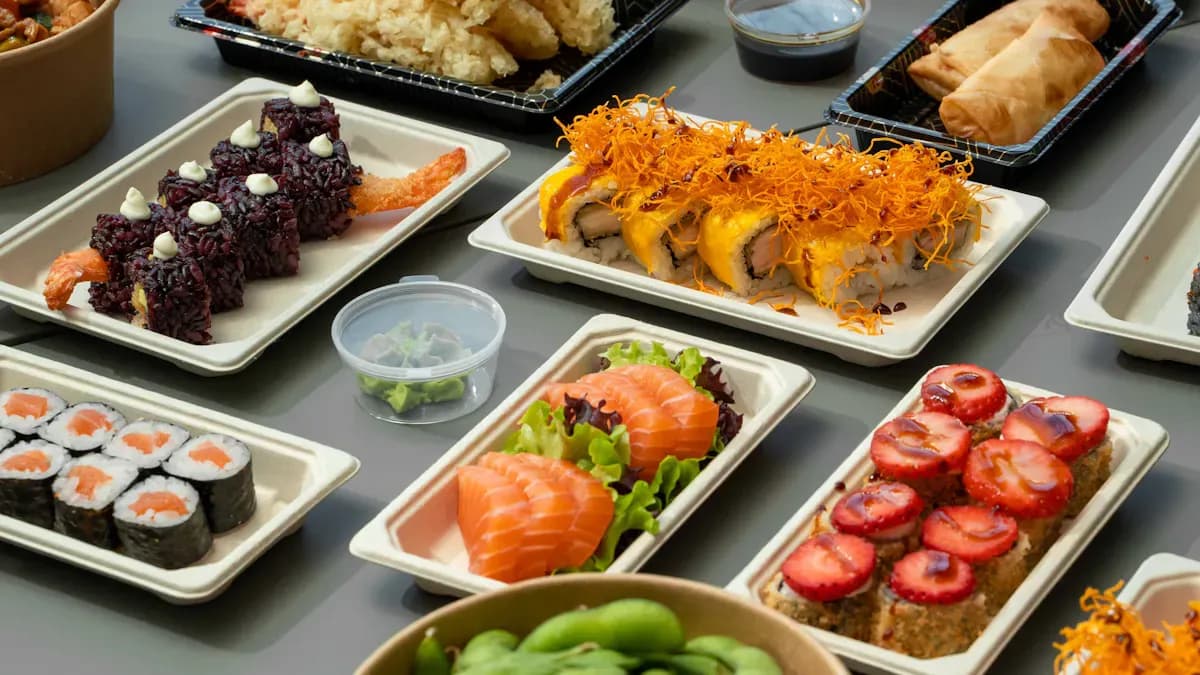
You might wonder what makes solidified soy sauce different from the regular liquid kind you see on store shelves. This special ingredient starts with the same basic steps as traditional soy sauce, but it goes a bit further to give you something unique and convenient.
Here’s how the process works:
Pearl River Bridge uses a fermentation process that lasts over 100 days. This long fermentation time helps develop a deep umami flavor and a rich color. You get a product that stands out for its premium quality and taste.
Here’s a quick look at the main ingredients and their roles:
| Ingredient | Role in Soy Sauce Production |
|---|---|
| Soybeans | Provide proteins for flavor |
| Wheat | Contributes to fragrance |
| Salt | Controls fermentation and prevents spoilage |
Solidified soy sauce keeps the heart of traditional soy sauce but adds a modern twist. You get the same complex flavors that come from authentic fermentation. The process breaks down soybeans into peptides, which can help balance out the effects of sodium. If you care about health, you’ll like that this method can offer probiotic benefits and antioxidants.
You’ll notice that solidified soy sauce fits right into your busy life. You can use it in many ways, and it always delivers that classic soy sauce flavor. Pearl River Bridge’s careful process and attention to detail make sure you get a product that’s both tasty and convenient.
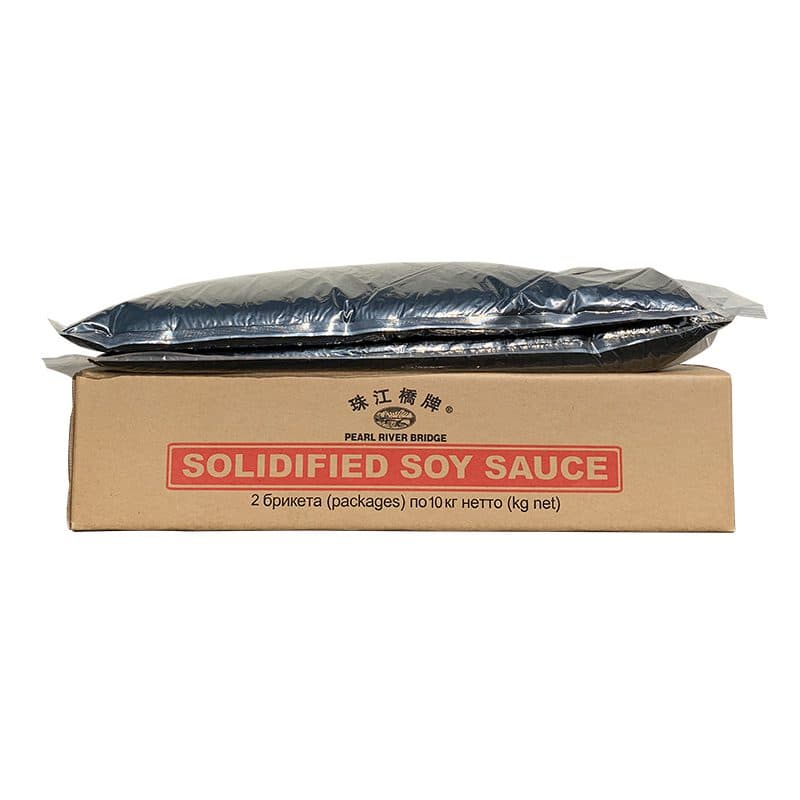
When you look at solidified soy sauce, you notice the difference right away. It comes in a thick, paste-like form or as small solid pieces. You can pick it up, break it apart, or even grate it over your food. Traditional soy sauce, on the other hand, pours out as a thin liquid. You usually drizzle it or mix it into dishes.
Solidified soy sauce feels richer and more concentrated. The paste is thicker and a bit sweeter than the regular kind. This makes it perfect for spreading on meats or using as a dip. You get more control over how much you use. If you want, you can add water and turn it back into a liquid. This means you can use it just like the soy sauce you already know, but you also get new ways to try it.
You taste the difference with your first bite. Solidified soy sauce packs a punch. The concentrated form holds onto the deep, savory notes that come from long fermentation. You only need a little to make your food stand out. The flavor releases slowly, so every bite feels rich and satisfying.
Traditional soy sauce is thinner and saltier. You use it mostly for seasoning or marinating. Solidified soy sauce does more. You can use it in marinades, sauces, and dips. It blends well with other ingredients and brings out the best in your recipes. You can even use it as a base for making new sauces at home.
Here’s a quick comparison to help you see the difference:
| Feature | Solidified Soy Sauce | Traditional Soy Sauce |
|---|---|---|
| Texture | Thick, paste, or solid | Thin, liquid |
| Flavor | Rich, concentrated, umami | Salty, lighter |
| Uses | Marinades, dips, sauces | Seasoning, marinating |
| Versatility | Can be rehydrated to liquid | Used as is |
Solidified soy sauce gives you more options in the kitchen. You can use it as a finishing touch or as the main flavor in a dish. If you want to try something new, this ingredient opens up a world of possibilities.
You can use solidified soy sauce in so many ways. It works great in marinades. Just mix a small amount with oil and spices, then coat your meat or veggies. You get a deep, savory flavor that soaks right in. You can also blend it into salad dressings. It adds a punch of umami that makes greens taste amazing. If you like making your own sauces, try using it as a base. It melts easily and gives your sauce a rich color and taste. Some people even sprinkle it on rice or noodles for a quick flavor boost. You have lots of options, whether you cook at home or in a busy kitchen.
Solidified soy sauce saves you time and money. You do not need to worry about spills or leaks. The solid form is easy to measure and store. You can keep it in your pantry for a long time because it lasts longer than liquid soy sauce. This means less waste and fewer trips to the store. If you buy in bulk, you will notice that the smaller size cuts down on shipping costs. Here are some reasons why it is a smart choice:
You get more value for your money and less hassle in your kitchen.
You can get creative with how you use solidified soy sauce. The solid or paste form lets you control each portion. You can grate it over dishes for a fancy touch, or cut it into small pieces for bento boxes. This makes your food look special and professional. If you run a restaurant, you can impress your guests with unique presentations. At home, you can make every meal feel a little more fun. You always know exactly how much you are using, so your dishes taste just right.
You probably want to know what goes into your solidified soy sauce and how it stacks up against other types. Most solidified soy sauces use whole soybeans, wheat, salt, and water. These simple ingredients help create a rich, deep flavor. Some cheaper soy sauces use shortcuts, but you get the best taste from naturally fermented ones.
Here’s a quick look at how solidified soy sauce compares to other types:
| Feature | Naturally Fermented Soy Sauce | Chemically Produced Soy Sauce |
|---|---|---|
| Ingredients | Whole Soybeans, Wheat, Salt, Water | Defatted Soy Protein, Hydrochloric Acid, Caramel Color, Corn Syrup |
| Production Time | 6+ months, sometimes years | A few days |
| Flavor Profile | Complex, rich, aromatic, deep umami | Harsh, salty, one-dimensional, often artificially sweet |
Solidified soy sauce does have a high sodium content. One tablespoon can have about 1,000 milligrams of sodium. That’s almost half of what you should eat in a day. You also get some protein, plus antioxidants like vanillic acid and ferulic acid. These can help protect your cells. You may even get probiotics and enzymes that support your digestion.
When you buy from trusted brands, you know your soy sauce meets strict food safety standards. Many products have certifications like Halal, which means no alcohol or animal ingredients, and EU Organic, which means the soybeans are grown without synthetic chemicals.
You want your solidified soy sauce to stay fresh and tasty. Here’s how you can make it last:
If you follow these steps, your soy sauce can last for months, sometimes even up to two years. You don’t have to worry about it going bad quickly. Just remember to check the package for any special instructions from the maker.
You see how solidified soy sauce brings bold flavor and convenience to your kitchen. It fits right into modern cooking, whether you cook at home or run a restaurant. Check out these trends and awards that show its value:
| Trend Description | Details |
|---|---|
| Asian Cuisine Popularity | More people want Asian flavors in their meals |
| Premium Products | Brands offer higher-quality soy sauces |
| Award/Recognition | Description |
|---|---|
| SIAL Paris Innovation Award | Celebrates creative food products |
| American Excellent Brand | Recognized for quality in the U.S. |
Try it for yourself and discover why so many cooks trust Pearl River Bridge for taste and innovation.
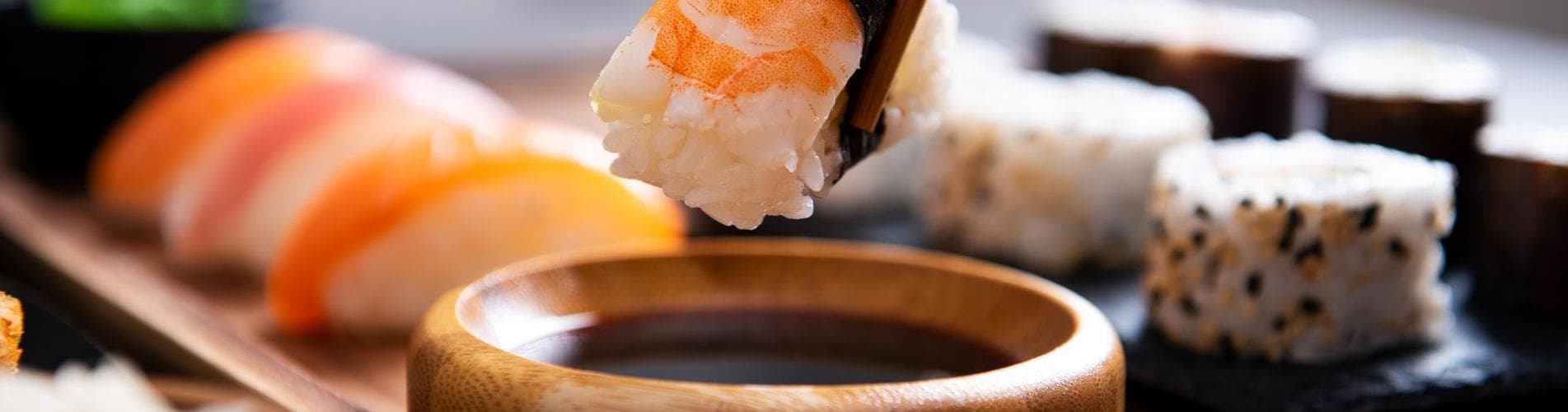
You can grate, slice, or melt it right into your dish. Try sprinkling it over rice, blending it into marinades, or dissolving it in hot water for a quick sauce.
Yes! Just add a little warm water and stir. The solid form dissolves easily, so you get the same great taste as regular soy sauce.
You should keep it in a cool, dry place. After opening, store it in the fridge to keep it fresh and flavorful.
Most solidified soy sauces contain wheat. If you need a gluten-free option, check the label or look for a special gluten-free version.
 Subscribe To Our Newslettter To Stay Tuned



 IPv6 network supported
Hi! Click one of our members below to chat on

 Recipe Books
 PRB Soy Sauce Museum
 English
 English
 français
 русский
 español
 العربية