leave a message
If you are interested in our products and want to know more details,please leave a message here,we will reply you as soon as we can.
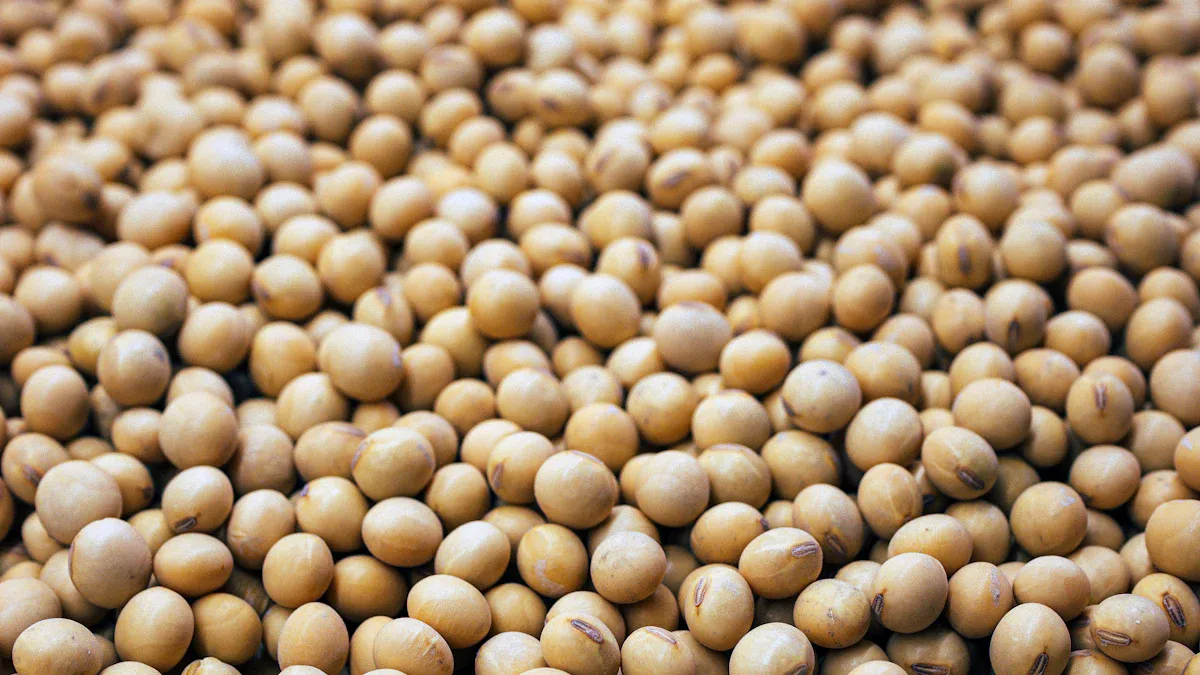
You can rely on soy sauce powder when you need a rich, umami flavor in a convenient form. This ingredient gives you the taste of traditional soy sauce, but in a dry, concentrated powder that stores well and lasts longer. Food industry reports show strong demand for this product:
The global soy sauce powder market could reach $1.5 billion by 2033.
Growth is steady, with projections around 5.8% to 5.9% CAGR through 2032.
Soy sauce powder lasts a long time and is easy to store. It is a good choice instead of liquid soy sauce.
This ingredient makes many foods taste better. It adds a strong umami flavor to instant noodles, snacks, and marinades.
B2B buyers should look for quality certifications like ISO 22000 and HACCP. These help make sure the soy sauce powder is safe and reliable.
Soy sauce powder can lower shipping costs because it is light and packed small. This makes it great for big orders.
Always read the ingredient list for natural brewed soy sauce and fewer additives. This helps you pick a high-quality product.
Soy sauce powder is soy sauce in a dry form. Makers start with fresh soy sauce. They mix in fillers, salt, sugar, monosodium glutamate, yeast extract, and flavoring. The process keeps the smell of brewed fermented soy sauce. It also takes away burnt or old flavors. This powder gives you the same salty and umami taste as liquid soy sauce. But it is dry and can be stored for a long time.
Soy sauce powder is different from other seasoning powders for a few reasons:
Its flavor is special and makes food taste better.
You can add it to marinades, BBQ sauces, dry rubs, and instant foods.
It lasts longer than liquid soy sauce and stays fresh.
Good quality powder mixes well with water, so you can use it in dry or wet dishes.
This powder is a handy way to add flavor to many recipes and products.
Making soy sauce powder starts with fermentation and ends with drying. Here is a simple table that shows the steps:
|
Step |
Description |
|---|---|
|
Fermentation |
Soybeans soak in water. Wheat is added. Molds (genus Aspergillus) help develop umami flavor over months. |
|
Dehydration |
The liquid soy sauce is sprayed in a hot chamber. Water evaporates, leaving dry soy sauce particles. |
Manufacturers use spray-drying or freeze-drying to dry soy sauce. Spray-drying is used most often. It makes a fine powder that mixes easily. The drying method and how much maltodextrin is used change the powder’s quality. More maltodextrin makes the powder less sticky and more stable. Maltodextrin with lower DE values helps the powder clump less and stay fresh longer. These things help the powder last and make it easy to use.
There are two main types of soy sauce powder. One is made from natural brewed fermented soy sauce. The other uses hydrolyzed vegetable protein. The first type has a deep, rich taste like real soy sauce. The second type is faster and cheaper to make, but the taste is not as strong.
Soy sauce powder has a few main ingredients. The biggest one is soy sauce, which gives it its taste. Fillers like maltodextrin help keep the powder loose and easy to pour. Salt and sugar add flavor and help it last longer. Monosodium glutamate and yeast extract make the umami taste stronger. Some powders have extra flavoring to taste more like liquid soy sauce.
You can use soy sauce powder as a seasoning or to add flavor. It works well in dry mixes, snack coatings, and instant noodle packets. You can also mix it with water to make a quick soy sauce. This makes it useful for many foods.
Tip: When picking soy sauce powder, look at the ingredient list. The best ones use natural brewed fermented soy sauce and fewer fake additives.
Soy sauce powder is getting more popular. More companies want easy, long-lasting ingredients each year. This powder helps meet the need for strong flavors and easy storage.
You need to store soy sauce powder in cool, dry, and clean conditions. The best temperature range is 18°C to 22°C. Keep the powder in its original, tightly closed container. This helps prevent air and moisture from getting in. You should also keep it away from sunlight, heat, and strong chemicals. These steps help the powder last longer and keep its flavor strong. Liquid soy sauce needs refrigeration after opening and can spoil faster. With the powder, you get a longer shelf life and less risk of waste.
Soy sauce powder makes shipping and handling much easier. You can save 40-60% on logistics costs compared to liquid soy sauce. The powder comes in compact containers, so you use less packaging and lower your risk of leaks. You also cut down on freight charges because the powder weighs less. This makes it a smart choice for large shipments. When you handle the powder, you avoid spills and sticky messes. You can measure and mix it quickly in your production line.
Lower shipping weight means lower costs.
Compact packaging saves space and reduces damage.
No risk of liquid leaks during transport.
Soy sauce powder gives you a rich, savory, and umami-packed taste. You can use it in dry mixes, snack coatings, and instant foods. The powder blends well into spice mixes and rubs, making it easy to add flavor to many products. You can also reconstitute it with water to make a liquid sauce when needed. This flexibility lets you control the saltiness and flavor strength for each recipe. The powder keeps its taste over time, so your products stay consistent. Liquid soy sauce can lose flavor or spoil if not stored right. With the powder, you get steady results and less waste.
Tip: Use soy sauce powder in instant noodle packets, marinades, and seasoning blends for a strong, lasting flavor.
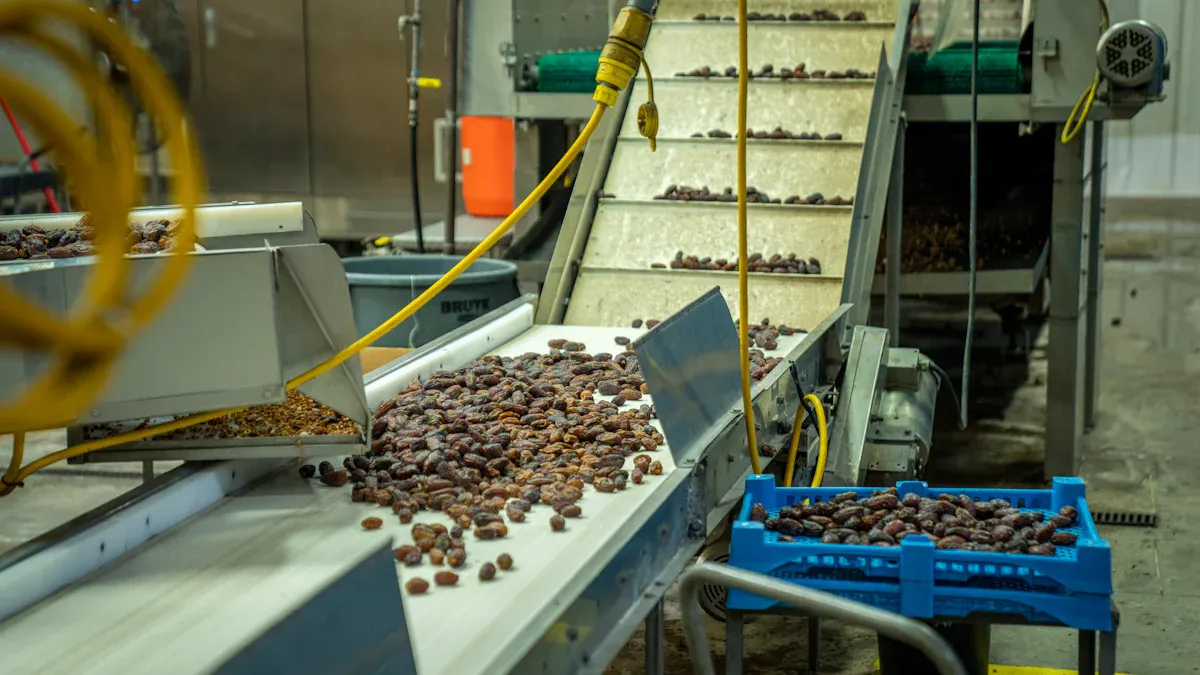
You can use soy sauce powder in many food manufacturing processes. It works well in convenient foods, savory snacks, meat products, ready-to-eat meals, and complex seasoning systems. This powder blends easily into dry mixes and helps you create consistent flavors. You might add it to instant noodles, canned meats, or soup mixes. It gives your products a rich, umami taste that lasts.
|
Application Type |
Description |
|---|---|
|
Instant Noodles |
Adds flavor to seasoning packets for noodles. |
|
Snack Foods |
Boosts taste in chips, crackers, and other snacks. |
|
Canned Meat Products |
Enhances the flavor of canned meats and ready meals. |
|
Soup Mixes |
Deepens the taste of dry soup blends. |
|
Seasoning Mixes |
Used in spice blends for easy flavor control. |
You can use soy sauce powder in dry seasoning blends for snacks, meat, poultry, and jerky. It works well in rubs and coatings. The powder sticks to chips, crackers, and nuts, giving them a savory kick. You can also blend it with water to make a quick sauce. This makes it easy to use in many snack and seasoning products.
Tip: Try adding soy sauce powder to your snack coatings or dry rubs for a bold, lasting flavor.
In foodservice and catering, you need ingredients that are easy to store and measure. Soy sauce powder helps you save space and reduce waste. You can sprinkle it directly onto foods or mix it into sauces and marinades. It dissolves quickly and gives you control over flavor strength. This makes it a smart choice for large kitchens and catering operations.
Soy sauce powder stands out for its convenience and long shelf life. You can store it easily and use it in dry seasoning mixes, spice rubs, instant noodles, and snack coatings. It often contains less sodium and can be gluten-free, which makes it a healthier option for some products. Concentrated soy sauce, on the other hand, is thick and works best in liquid dishes like soups, braises, and stir-fries. You can dilute it or use it in marinades and sauces for a rich, caramelized flavor. Both forms have their place, but soy sauce powder gives you more flexibility in dry and shelf-stable foods.
When you buy soy sauce powder, check for quality certifications. These show the product is safe and meets standards. Look for ISO 22000, HACCP, and FDA registration. These help make sure the powder is good. You can also ask for Kosher, Halal, or Organic certifications if needed. Good suppliers will give you proof of these certifications. The table below shows what to look for:
|
Certification Type |
Importance |
|---|---|
|
Production Certifications |
ISO 22000, HACCP, FDA registration are key for quality. |
|
Additional Certifications |
Kosher, Halal, Organic help with selling and flexibility. |
|
Industry Standards |
Shelf life should be at least 24 months. Moisture content must be 5% or less. Gluten-free is needed sometimes. Heavy metal limits must be followed. |
Tip: Always ask for lab test results from a third party. Check allergen labels to keep food safe.
Pick a supplier who delivers on time and talks clearly. Make sure they have food safety certifications like HACCP or ISO 22000. Ask for their latest lab test results. Big suppliers with new factories are often more stable. They can handle large orders well. Look for these signs:
Delivery rates over 97% are best.
Fast replies, usually in less than 4 hours.
Updates during order changes or shipping problems.
You can read online reviews and check reorder rates. High reorder rates mean people trust the supplier and like the product.
Do not just look at price. Check quality, rules, and supply chain strength too. Some mistakes are ignoring new rules or not checking the supply chain. When you ask for samples, compare price per unit and shipping costs. Make sure the product fits your packaging and filling systems. Always ask for shelf life stability. For bulk orders, 18 months or more is best.
|
Key Factor |
Description |
|---|---|
|
Compliance |
Follows ISO 22000 or HACCP standards |
|
Certifications |
Halal, Kosher, or Non-GMO if needed |
|
Shelf Life Stability |
At least 18 months for big orders |
|
Lab Test Reports |
Safety checked by third-party labs |
|
Cost-Efficiency |
Compare price per unit and shipping costs |
|
Customer Service |
Account managers and quick support |
Note: Strong supply chains help you avoid delays. They keep your production running smoothly.
Soy sauce powder helps you save money. It is easy to store. You can use it in many foods. Think about these things before you buy:
|
Criteria |
Description |
|---|---|
|
Production Capacity |
Can the supplier make enough and keep quality? |
|
Experience |
Do they work with companies like yours? |
|
Transparency |
Are their steps clear and honest? |
|
Flexibility |
Can they change packaging or flavor for you? |
|
Communication |
Do they answer fast and deliver on time? |
Ask for samples to check taste and quality.
Use a tasting sheet to write down what you think.
Find out about sample rules and certifications.
Test samples from good suppliers to pick the best one for your products.
You can expect soy sauce powder to last up to 24 months if you store it in a cool, dry place. Always keep the container tightly sealed to protect the flavor.
Some soy sauce powders are gluten-free. You should check the label or ask your supplier for certification. Gluten-free options work well in special diet foods.
Mix one part soy sauce powder with four parts water. Stir until the powder dissolves. You can adjust the ratio to get the taste you want.
Many soy sauce powders contain monosodium glutamate (MSG) to boost umami flavor. You should review the ingredient list if you want an MSG-free product.
Seasoning blends
Snack coatings
Instant noodle packets
Marinades and dry rubs
Tip: Try soy sauce powder in any recipe where you want a savory, umami taste.
 Subscribe To Our Newslettter To Stay Tuned



 IPv6 network supported
Hi! Click one of our members below to chat on

 Recipe Books
 PRB Soy Sauce Museum
 English
 English
 français
 русский
 español
 العربية